
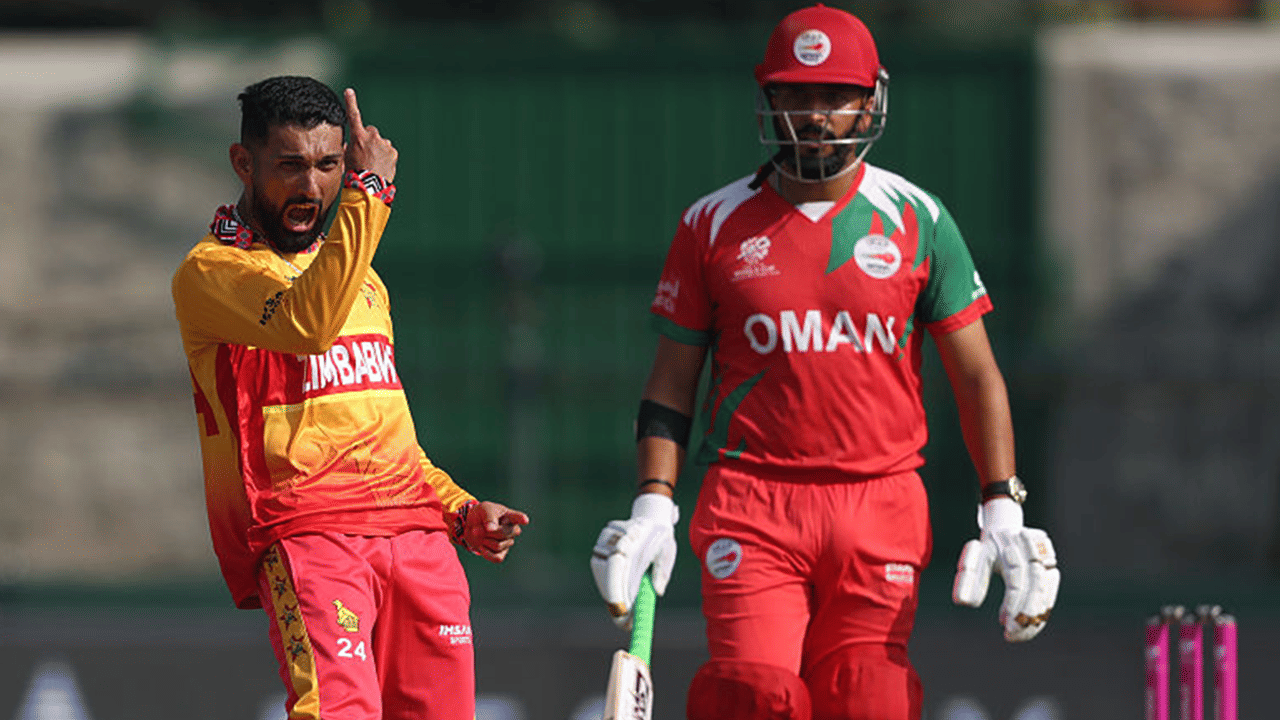
There is a quiet assurance that comes from preparation done properly. Not the noisy bravado of sudden success, but the steady confidence that grows when a team understands its identity and trusts its process. That is the version of Zimbabwe cricket team that has emerged from the group stage of the ICC T20 World Cup, earning a place in the Super Eights through methodical planning rather than chance.
For a cricketing nation that has often found itself rebuilding, recalibrating, and fighting for relevance at the top level, this qualification represents far more than progression to the next round. It signals stability, belief, and the early rewards of a long-term strategy that began nearly two years ago.
Identity, Symbolism, and the Rise of the Chevrons
Zimbabwe’s national side is known as the Chevrons, a name inspired by the inverted “V” pattern on their jerseys. That symbol traces its roots to the Great Zimbabwe stone monument, one of the country’s most important historical sites. The nickname is more than aesthetic; it reflects resilience, heritage, and continuity. Those qualities have increasingly defined this team’s on-field performances.
In recent tournaments, Zimbabwe sides have often shown flashes of promise without consistency. This time, however, the group-stage performances carried a different tone. The Chevrons played with clarity, discipline, and composure, even when conditions and logistics tested their limits. Long bus journeys across the host nation, tight turnarounds between matches, and unfamiliar venues did not derail them. Instead, they reinforced the sense that this squad knows exactly who it is and what it wants to achieve.
The Blueprint That Started 20 Months Ago
Head coach Justin Sammons has been clear that this success did not materialise overnight. The Super Eights berth was identified as a concrete target nearly 20 months ago, long before Zimbabwe boarded a plane for this World Cup. From selection philosophy to workload management and mental conditioning, every decision was filtered through that long-term objective.
Sammons has repeatedly emphasised that the destination was always clear. Qualification was not a hopeful ambition but a measurable goal, embedded into training cycles, international scheduling, and squad development. That clarity helped align players, coaches, and administrators around a shared vision, reducing uncertainty and fostering accountability.
Structural Commitment from Zimbabwe Cricket
Crucially, this coaching vision was backed by structural commitment from Zimbabwe Cricket. Managing director Givemore Makoni has described the Super Eights qualification as the outcome of a disciplined and deliberate process rather than a surprise achievement.
Zimbabwe Cricket made a conscious decision to fully honour the ICC Future Tours Programme. That included scheduling a high volume of international matches, even during difficult rebuilding phases. Playing up to 10 Test matches in a single year was not easy financially or logistically, but it provided invaluable exposure. These fixtures strengthened internal systems, sharpened competitiveness, and allowed players to develop under sustained pressure rather than in isolated bursts.
This approach ensured that when Zimbabwe arrived at the World Cup, they were not undercooked or overwhelmed by elite opposition. Instead, they were match-hardened and tactically prepared.
Momentum, Belief, and the Sri Lanka Challenge
Momentum has been a recurring theme in Sammons’ assessment of his side’s progress. He has spoken openly about the importance of maintaining belief within the group, especially as the tournament intensifies. That belief will be tested in matches against heavyweight opponents, starting with the host nation, Sri Lanka cricket team.
Playing the hosts brings unique challenges. The atmosphere, crowd pressure, and familiarity of conditions often tilt the balance. Yet Zimbabwe have shown no intention of treating the encounter as a formality. Despite already securing qualification, the coaching staff have stressed that the match will not be approached as a dead rubber. While squad rotation is expected to manage fatigue, competitive intent remains non-negotiable.
This mindset reflects a deeper shift. Zimbabwe are no longer measuring success by mere participation. Each match is viewed as an opportunity to reinforce standards, sharpen execution, and carry momentum forward.
Physical Demands and Mental Resilience
The logistical demands of the tournament have been unforgiving. Four-hour bus journeys to Kandy followed by immediate returns to Colombo, with matches scheduled on consecutive days, have pushed players physically and mentally. For many teams, such conditions can erode focus and energy. Zimbabwe absorbed them with professionalism.
Player management has become a key component of the strategy. Sammons and his staff are acutely aware of the taxing schedule, particularly with the Super Eights looming. Rotation is being used not as a sign of complacency but as a calculated tool to preserve intensity and reduce injury risk while keeping performances competitive.
The Mountain Ahead in the Super Eights
The Super Eights stage presents Zimbabwe with an imposing challenge. Encounters against India cricket team, West Indies cricket team, and South Africa cricket team represent a step up in quality and expectation. In previous eras, such a lineup might have inspired quiet acceptance. This time, the narrative is different.
Zimbabwe enter this phase not just to compete, but to test themselves honestly against the best. The objective is no longer survival but disruption. Each match is a benchmark, offering insight into how far the rebuild has come and what gaps still need addressing.
Automatic Qualification and Long-Term Stability
One of the most significant outcomes of reaching the Super Eights is automatic qualification for the next T20 World Cup. Makoni has highlighted how crucial this certainty is for long-term planning. Knowing that Zimbabwe already have a place at the 2028 tournament in Australia and New Zealand allows administrators and coaches to plan development pathways with confidence rather than urgency.
This stability enables better scheduling, targeted preparation, and more efficient resource allocation. It also sends a powerful message to players that their efforts translate into sustained opportunities on the global stage.
A Turning Point for Zimbabwean Cricket
Twenty months of groundwork have delivered tangible results. Zimbabwe’s Super Eights qualification is not an endpoint but a marker along a broader journey. It validates the patient approach taken by coaches and administrators and reinforces the value of long-term thinking in international sport.
What unfolds in the coming weeks may redefine perceptions of Zimbabwean cricket. Even if results fluctuate, the process now feels solid. The Chevrons have re-established an identity rooted in preparation, resilience, and belief. For a nation that has endured prolonged rebuilding phases, that may be the most important victory of all.