
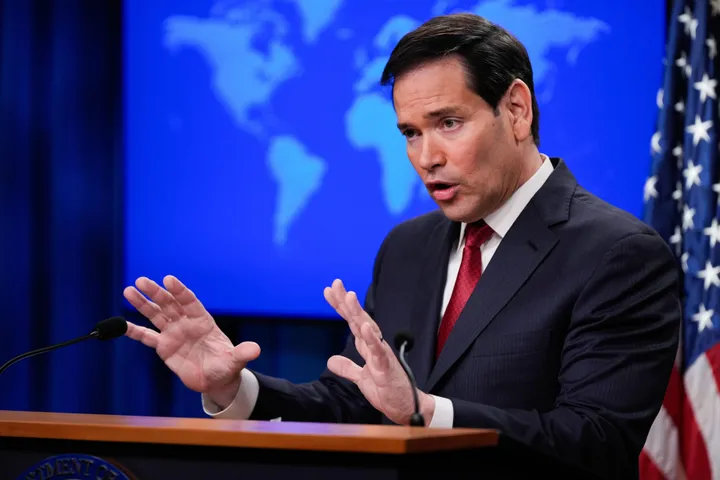
The United States has signed new health agreements with at least nine African countries, marking a major change in how Washington supports global health programmes. The deals are part of a new approach introduced under the Trump administration. This strategy moves away from traditional aid and focuses on negotiated partnerships.
Countries such as Kenya, Nigeria, Rwanda, Ethiopia, Malawi, Cameroon, and Mozambique are among the first to sign the agreements. U.S. officials say the new framework aims to reduce long-term dependence on aid. Instead, it encourages countries to strengthen their own health systems.
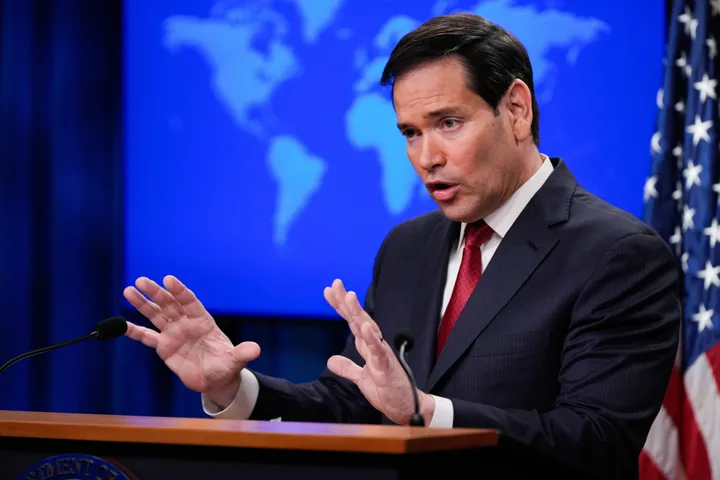
However, health experts and civil society groups have raised concerns. They warn that reduced funding could weaken health services in countries that still rely heavily on external support.
Shift Away from Traditional Aid
Under the new framework, the United States no longer delivers most health funding through USAID, which the government has largely dismantled. Instead, U.S. officials now negotiate direct agreements with individual countries.
The U.S. government says this approach promotes efficiency and accountability. It also pushes partner countries to invest more of their own resources in healthcare.
Critics argue that the shift happened too quickly. They say sudden aid cuts have disrupted programmes that fight HIV/AIDS, malaria, tuberculosis, and disease outbreaks.
Key Country Agreements
Rwanda signed a five-year, $228 million health partnership with the United States on December 5. The deal focuses on disease prevention and stronger health services. Officials say the next five years will be critical for maintaining progress.
Ethiopia signed a $1.6 billion health cooperation agreement covering five years. The agreement supports public health security and disease control. Experts stress that stable funding will be essential for success.
Nigeria signed several agreements worth up to $2 billion. These deals aim to improve primary healthcare and control infectious diseases. Civil society groups have called for transparency in how the funds are used.
Kenya’s agreement has sparked public debate. Civil society organisations have asked for stronger oversight. President William Ruto defended the deal and said it would protect Kenya’s interests.
Malawi faces a tough decision over a proposed $740 million health deal. Officials must weigh the benefits of funding against possible conditions attached to the agreement.
Cameroon and Mozambique also signed five-year health cooperation agreements. These deals fall under the America First Global Health Strategy and focus on long-term system reform.
Concerns Over Sovereignty and Health Access
The agreements come as U.S. aid cuts continue to affect health systems across Africa. Many countries had relied on U.S. funding for emergency response and routine care.
Some critics worry about health sovereignty. They question who controls health data, resources, and decision-making under the new agreements.
U.S. officials have denied any link between the health deals and other diplomatic arrangements. Still, advocacy groups say the timing has raised questions.
A New Global Health Model Under Review
Supporters of the new strategy say it encourages independence and better planning. They believe countries should manage their own health priorities.
Opponents warn that health funding should not depend on political bargaining. They fear this model could weaken cooperation during future health emergencies.
As African countries adjust to the new system, much depends on how the agreements are implemented. Strong planning and local investment will determine whether the new approach improves health outcomes or deepens existing gaps.