
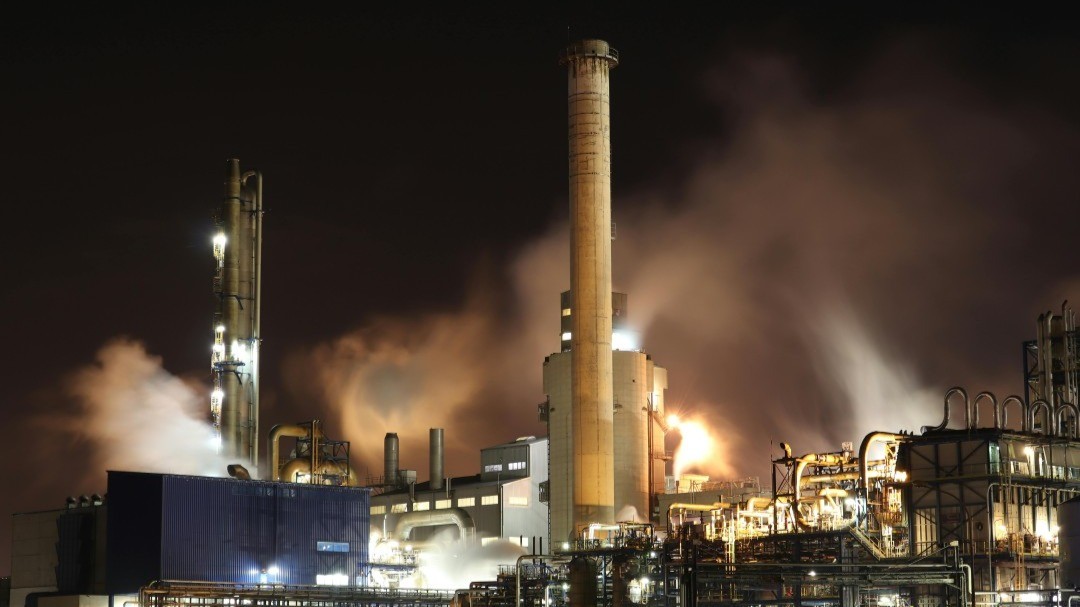
Energy is becoming the driving force behind East Africa’s manufacturing ambitions, and Tanzania is placing power infrastructure at the centre of its industrial growth plans. By investing in reliable, affordable energy, the country aims to boost manufacturing, attract investment, and strengthen its role as a regional economic leader.
Across Africa, energy is widely recognised as a key foundation for development. When power supply is unreliable or interrupted, productivity suffers. Factories slow down, costs rise, and investors hesitate. Without steady energy, industrial growth becomes difficult to sustain.
Tanzania has moved quickly to address this challenge.
Powering Tanzania’s Industrial Growth
The Tanzanian government has made it clear that energy infrastructure is a priority for industrialisation. Officials understand that factories, processing plants, and heavy industries depend on constant power to operate efficiently.
“Energy infrastructure is often the first step in industrialisation,” says Elias Ngunangwa, Head of Client Coverage for Corporate and Investment Banking at Stanbic Bank Tanzania. “Once energy is in place, it unlocks manufacturing, job creation, and inclusive growth.”
This thinking is reflected in Tanzania’s National Energy Policy of 2015, which places energy development at the heart of the country’s economic strategy. The policy supports the goal of producing more goods locally instead of relying on imports. Local production reduces costs, creates jobs, and strengthens the economy—but only if power supply is reliable.
Diversifying the Energy Mix
Tanzania’s current energy mix relies heavily on hydropower, which accounts for about 60% of electricity generation. While hydro is clean and affordable, it can be risky during periods of drought.
To reduce this risk, the government is expanding investment in renewable energy, especially solar, and increasing the use of natural gas.
“Tanzania is rich in natural gas resources,” Ngunangwa explains. “Fields like Songo Songo position the country as a regional leader in gas production. Gas plays a major role in supporting power generation and industrial growth.”
Gas is especially important for energy-intensive industries such as cement, steel, glass, and textiles. These sectors need consistent power and high heat, which gas can provide more reliably than seasonal hydropower alone.
In southern Tanzania, gas producers already transport fuel by pipeline to Dar es Salaam, supplying more than 45 major industrial users. This ensures a stable domestic energy supply and helps industries plan long-term investments.
Linking Energy and Manufacturing
The integration of energy and manufacturing is already delivering results. Reliable gas supply has allowed factories to expand production and reduce downtime.
Ngunangwa describes this as “a strong example of how energy investment directly supports industrial output.” By securing power at predictable costs, manufacturers become more competitive both locally and regionally.
As Tanzania continues its transition toward cleaner energy, gas also serves as a bridge fuel, supporting industry while renewable capacity expands.
Cross-Border Energy and Regional Trade
Tanzania’s energy ambitions extend beyond its borders. As a member of regional economic blocs, the country participates in cross-border energy trade through the East African Power Pool.
During periods of surplus, Tanzania exports gas and power to neighbouring countries facing shortages. In the long term, it aims to become a net exporter of electricity, strengthening its influence in the region.
This regional cooperation boosts trade, improves energy security, and supports manufacturing competitiveness across East Africa. It also allows countries to share expertise and reduce infrastructure costs.
Financing the Energy Transition
Large energy projects require major financial resources. This is where institutions like Stanbic Bank Tanzania play a key role.
“Our work goes beyond traditional lending,” says Ngunangwa. “We design financial solutions that match the needs of Tanzania’s energy sector.”
Stanbic Bank supports projects through tailored financing, capacity-building programmes, and advisory services. These efforts help investors understand the local energy market and structure complex deals with confidence.
As a result, alternative funding models have gained traction. Public-Private Partnerships (PPPs) have become especially popular, along with green bonds and blended finance options.
Public-Private Partnerships Gain Ground
According to David Kafulila, Executive Director of Tanzania’s Public-Private Partnership Centre, the government cannot rely only on taxes or borrowing to fund infrastructure.
“PPPs allow the country to attract private capital, access technical skills, and speed up the delivery of key projects,” he explains.
Transmission lines, power plants, and energy networks can all benefit from this approach. PPPs reduce pressure on public finances while accelerating development.
Building an Industrial Future
Stanbic Bank Tanzania sees itself as more than a financier. It positions itself as a long-term partner across the energy and manufacturing value chain.
“We focus on relationships,” Ngunangwa says. “We listen, gather insights, and turn those insights into value for our clients.”
This approach supports sustainable, large-scale energy projects and encourages collaboration between government, investors, and industry.
Tanzania’s Role in East Africa’s Industrial Rise
Tanzania’s investments in energy infrastructure, gas development, renewable power, and regional cooperation are laying a strong foundation for growth. By linking energy policy with industrial goals, the country is creating the conditions needed for manufacturing to thrive.
These efforts position Tanzania not only to meet its own industrial needs but also to emerge as an industrial leader in East Africa.
With reliable power, diversified energy sources, and innovative financing, Tanzania is turning energy into the engine of long-term economic transformation across the region.