
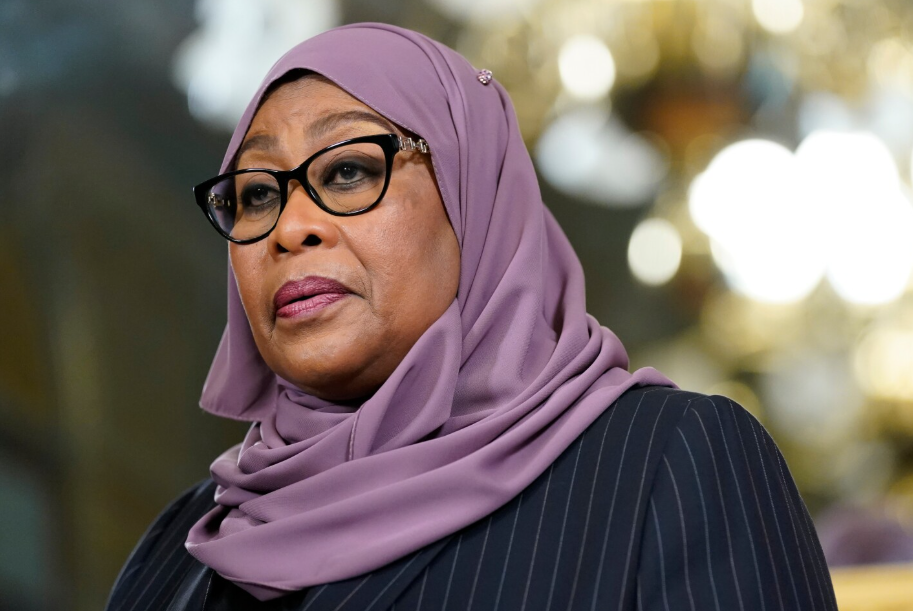
Tanzania’s President Samia Suluhu Hassan has launched an official investigation into the unrest that erupted following the recent presidential election. The demonstrations followed accusations that the government violently suppressed protesters.
President Samia was re-elected last month with 98% of the vote, a result the opposition condemned as a “mockery of democracy.” In the aftermath, at least 240 people were charged with treason, and many others were detained during the protests.
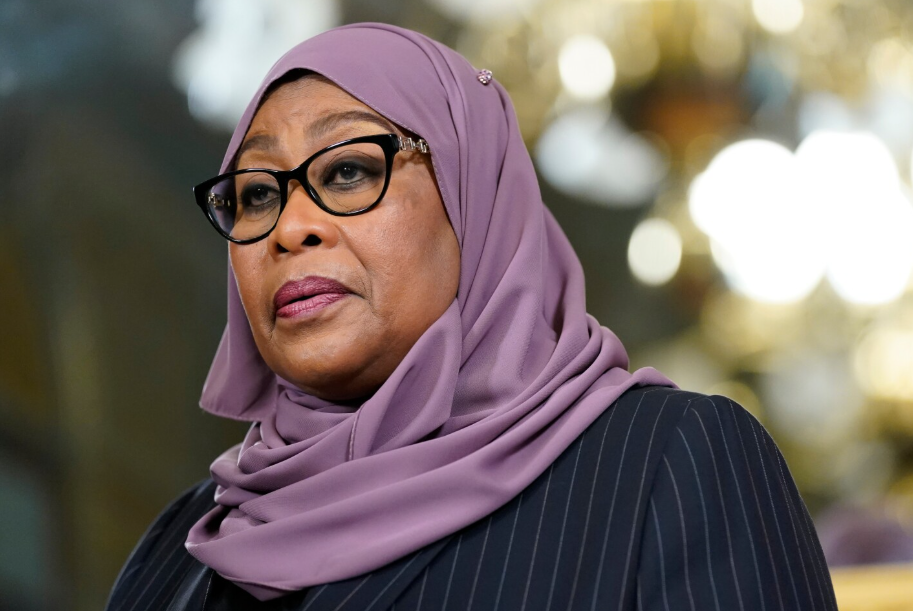
Alongside forming a commission of inquiry, President Samia urged prosecutors to show leniency toward those arrested. She quoted the Bible, saying, “Father, forgive them, for they know not what they do.” Her remarks came shortly after the UN High Commissioner for Human Rights, Volker Türk, called on Tanzanian authorities to conduct a full and transparent investigation into reports of killings and other human rights violations during and after the October 29 elections.
Opposition leaders have claimed that hundreds may have died in the post-election unrest, although the government has yet to release an official death toll. The violence was unprecedented for Tanzania, a nation long associated with calm, consensus, and political stability.
In a recent address to parliament, President Samia emphasized that many of the young protesters did not fully understand the consequences of their actions. “As a mother and guardian of this nation, I am directing law-enforcement agencies to show leniency,” she stated. She also called on political parties to engage in responsible political discourse and reaffirmed her commitment to initiating a new constitution-making process, signaling a long-term effort to strengthen Tanzania’s democratic framework.
The protests were largely led by young people, drawing comparisons to global Gen Z movements against entrenched leadership. Analysts note that the unrest followed a tense political climate marked by stalled reforms, rising youth frustration, internal power struggles within the ruling CCM party, and systematic persecution of opposition leaders. In the months before the election, the government blocked credible opposition candidates, with Tundu Lissu detained on treason charges he denies and Luhaga Mpina disqualified on technical grounds.
During her first term, President Samia was praised for allowing opposition parties to organize rallies and express criticism without fear of retaliation. Her **“4R” doctrine, reconciliation, resilience, rebuilding, and reform—**aimed to restore faith in democratic processes and open Tanzania to the world. However, in the months leading to the election, reports of abductions, arrests, and killings of opposition members created an atmosphere of fear and tension, undermining hopes for political reform and reconciliation.
Human rights organizations and the UN have expressed concern over the treatment of protesters and detained opposition figures, calling for an independent investigation and accountability. Observers suggest that how the government handles this inquiry will have major implications for Tanzania’s international reputation and domestic political stability.
The post-election unrest highlights deep political and social tensions, especially among young Tanzanians. President Samia’s commission of inquiry and her appeal for leniency aim to restore trust in government institutions. The coming weeks will be crucial in determining whether Tanzania can navigate this crisis while safeguarding human rights, ensuring political accountability, and maintaining national stability.