
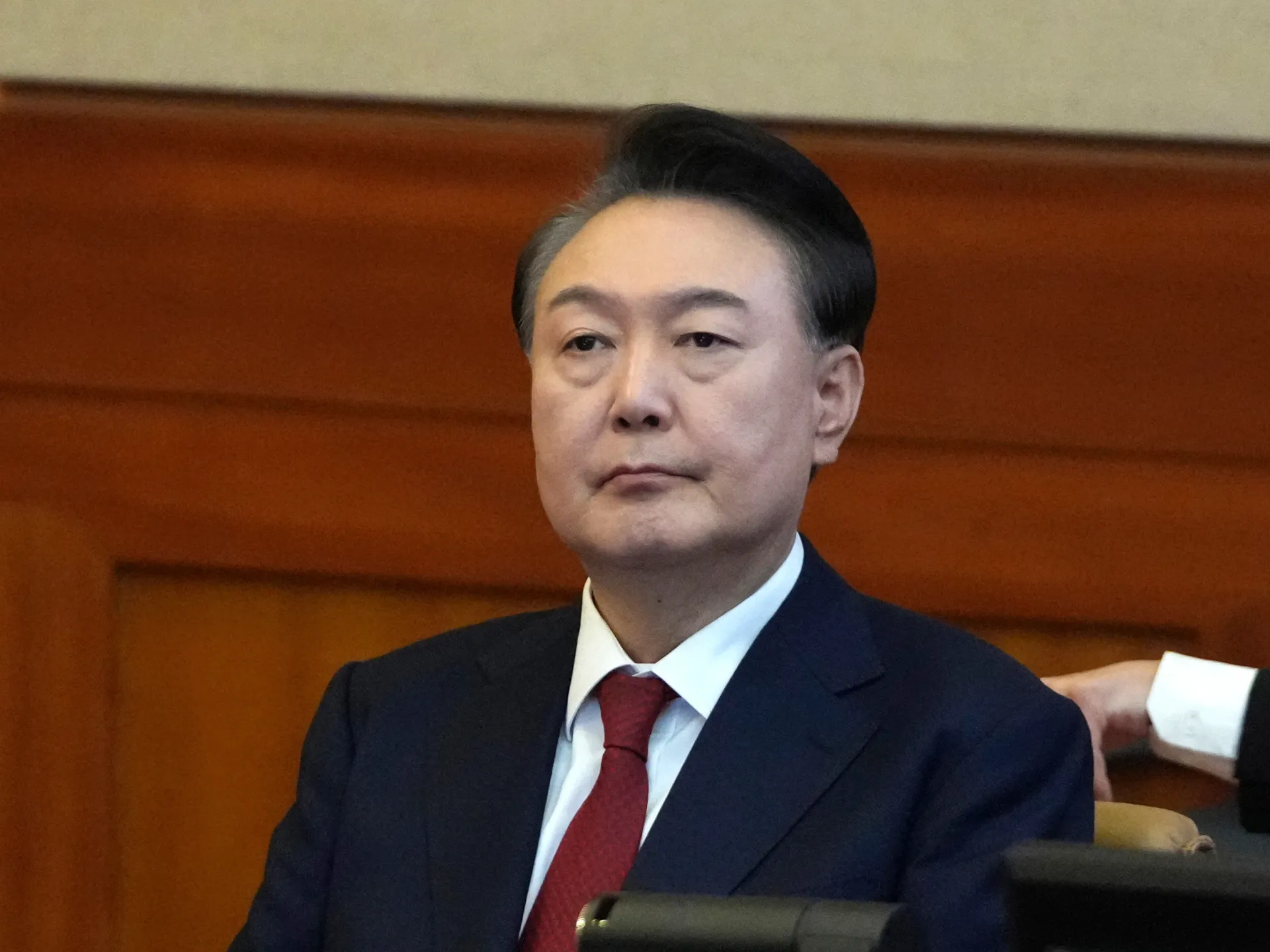
South Korea has entered a tense legal and political period after the conviction of former president Yoon Suk Yeol on insurrection charges. Although the court delivered its verdict, the case is far from finished. Appeals are likely, more trials remain, and political divisions continue to deepen.
The ruling has sparked fresh debate about democracy, executive power, and whether the country can heal after one of its most dramatic political crises.
Appeal Likely as Legal Fight Drags On
Yoon Suk Yeol is expected to appeal the verdict. He has challenged the charges at every stage of the case. His lawyers say the court ignored key facts presented during the trial.
An appeal would delay a final decision for months, or even years. During that time, Yoon’s legal fate will remain unclear. Public opinion will likely stay divided.
Legal experts say appeals involving former presidents often move slowly. Constitutional issues also make quick rulings unlikely.
More Trials Still Ahead
Yoon faces three more trials linked to his martial law order in December 2024. These cases could worsen his legal situation.
One charge accuses him of “benefitting the enemy.” Prosecutors claim he authorised a military drone flight into North Korea. They say this act aimed to provoke a crisis and justify martial law.
Yoon denies the claims. His lawyers say investigators lack solid evidence to support the accusation.
Pardon Debate Divides the Nation
South Korea has a long history of pardoning convicted presidents. Past leaders received pardons after serving a few years in prison. Governments often justified these decisions in the name of unity.
Many analysts doubt that will happen this time. The charges involve insurrection and abuse of power.
President Lee Jae Myung has taken a firm stance. He nearly faced arrest during the martial law episode. He has said those behind insurrection must face full punishment.
Supporters Rally Despite Conviction
After the verdict, hundreds gathered to support Yoon. The rallies showed that he still holds influence among parts of the public.
Some supporters say his downfall strengthened their loyalty. A musician, Oh Jung-hyuk, previously said the martial law event changed his views and exposed what he believes are hidden political forces.
Such views continue to fuel political tension.
Conspiracy Theories Gain Ground
Since Yoon’s fall, conspiracy theories have spread quickly. Some claim the opposition Democratic Party works with North Korea. Others allege election fraud backed by foreign powers.
Right-wing YouTubers play a major role in spreading these ideas. Many have large audiences, especially among young men.
Analysts say Yoon helped push these claims into the mainstream. He cited alleged communist influence when he declared martial law.
Lawyers Attack Verdict
Outside the Seoul courthouse, Yoon’s lawyers criticised the ruling. Attorney Yoon Kab-Keun called it a failure of justice.
He said the court ignored clear facts and weakened the rule of law. He added that the legal team will consult Yoon before deciding the next step.
These remarks may further energise supporters who already distrust the courts.
Citizens Earn Global Praise
While Yoon faces backlash, citizens who resisted martial law have gained praise. In December 2024, civilians blocked troops from entering parliament.
Professors worldwide have now nominated them for a Nobel Peace Prize. The nomination honours their peaceful defence of democracy.
Professor Kim Eui-young said their actions prevented a deeper crisis.
A Nation at a Crossroads
South Korea remains deeply divided. Some see the verdict as justice served. Others view it as political revenge.
Appeals, new trials, and public protests lie ahead. How leaders and citizens respond will shape the country’s future.
The Yoon Suk Yeol case is not over. Its outcome may define South Korea’s democracy for years to come.