

Somalis around the world, including those living in the United States, have strongly rejected US President Donald Trump’s recent comments describing Somali immigrants as “garbage”. The remarks have sparked anger, fear, and a surge of online mockery aimed at pushing back against the president’s rhetoric.
How the Controversy Started
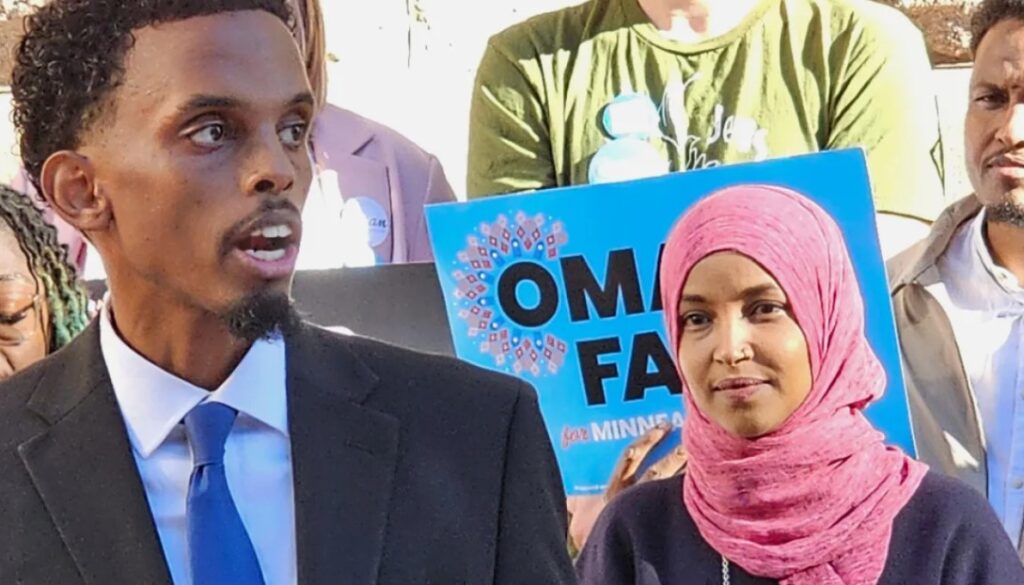
Trump made the comments during his final cabinet meeting of the year. He targeted the large Somali community in Minnesota and criticised US Congresswoman Ilhan Omar, who represents part of the state and is a former Somali refugee.
Trump said the US was “going the wrong way” by accepting what he called “garbage” from other countries. He added that people who “come from hell and complain” should not be welcomed in the United States.
Strong Backlash From Somali Americans
The response from Somali Americans was immediate.
Minnesota State Senator Omar Fateh said Trump’s statements were “hurtful” and “disgraceful”. He emphasised that Somali Americans contribute to every sector of society, from healthcare to business and politics.
Fateh also suggested that Trump was using “political theatre” to energise supporters ahead of the 2026 midterm elections.
Fears Grow in Minneapolis
The remarks have caused fear and tension in Minneapolis, home to one of the largest Somali communities in the world. About 84,000 people of Somali descent live in the Minneapolis–St Paul area. Most are US citizens.
Local business owners say the atmosphere has become frightening. Many shops have closed, and streets remain unusually quiet.
Khadijo Warsame, a café owner, said she fears losing her customers and possibly her business.
Concerns About Political Violence
Community leaders and civil rights organisations warn that Trump’s words may increase the risk of violence. Earlier this year, a gunman killed a state legislator and her husband in Minnesota. Some worry that heated political language could inspire more attacks.
The Trump administration has already increased immigration enforcement in Minneapolis. ICE raids have begun, and immigration applications from Somalia and 18 other countries are on hold.
Pushback From Civil Rights Groups
Jaylani Hussein, head of the Council on American-Islamic Relations (CAIR) in Minnesota, said the government was acting like an authoritarian state by targeting law-abiding US citizens. He called the situation shameful and dangerous.
Humour and Creativity Become Tools of Resistance
Despite the fear, many young Somalis have responded with humour and creativity.
TikTok and X (formerly Twitter) are full of videos and AI-generated images placing Somalis in iconic American scenes to highlight their long history in the US.
Some users jokingly claim Minnesota was “promised to Somalis 3,000 years ago”, mocking similar political arguments used elsewhere.
Somalis Assert Their American Identity
Many Somali Americans say Trump’s comments ignore their deep contributions to US society.
Legal analyst Mohammed Eid said the community’s humour shows how absurd some political debates have become. He also noted that Trump himself is married to an immigrant, which adds irony to the remarks.
Former Los Angeles city planner Faisal Roble said young Somalis are using their First Amendment rights to defend themselves and challenge discrimination.
Political Motives Ahead of Elections
Roble believes Trump’s comments are part of a larger strategy to mobilise his political base before the 2026 midterm elections. Racist attacks, he argued, have long been used to energise supporters of the MAGA movement.
He added that Somalis are Black and Muslim two identities that some voters remain uncomfortable with making them an easy target.
Ilhan Omar Responds
Congresswoman Ilhan Omar has been one of Trump’s frequent political targets. She said his comments have led to increases in death threats against her and her staff.
Still, she remains committed to speaking out, saying her community continues to support her strongly.
International Anger From Somalia
Trump’s comments have also sparked outrage in Somalia. Residents in Mogadishu have urged their government to respond more strongly.
However, Somalia’s leaders have tried to remain calm. Prime Minister Hamza Barre said Trump had insulted many countries and suggested ignoring his comments to avoid escalation.
A Pattern of Targeting Communities
Analysts say Trump’s comments fit into a long pattern of attacking minority groups.
Roble warned that the real damage could be deeper mistrust between the US government and its citizens if such rhetoric continues.