
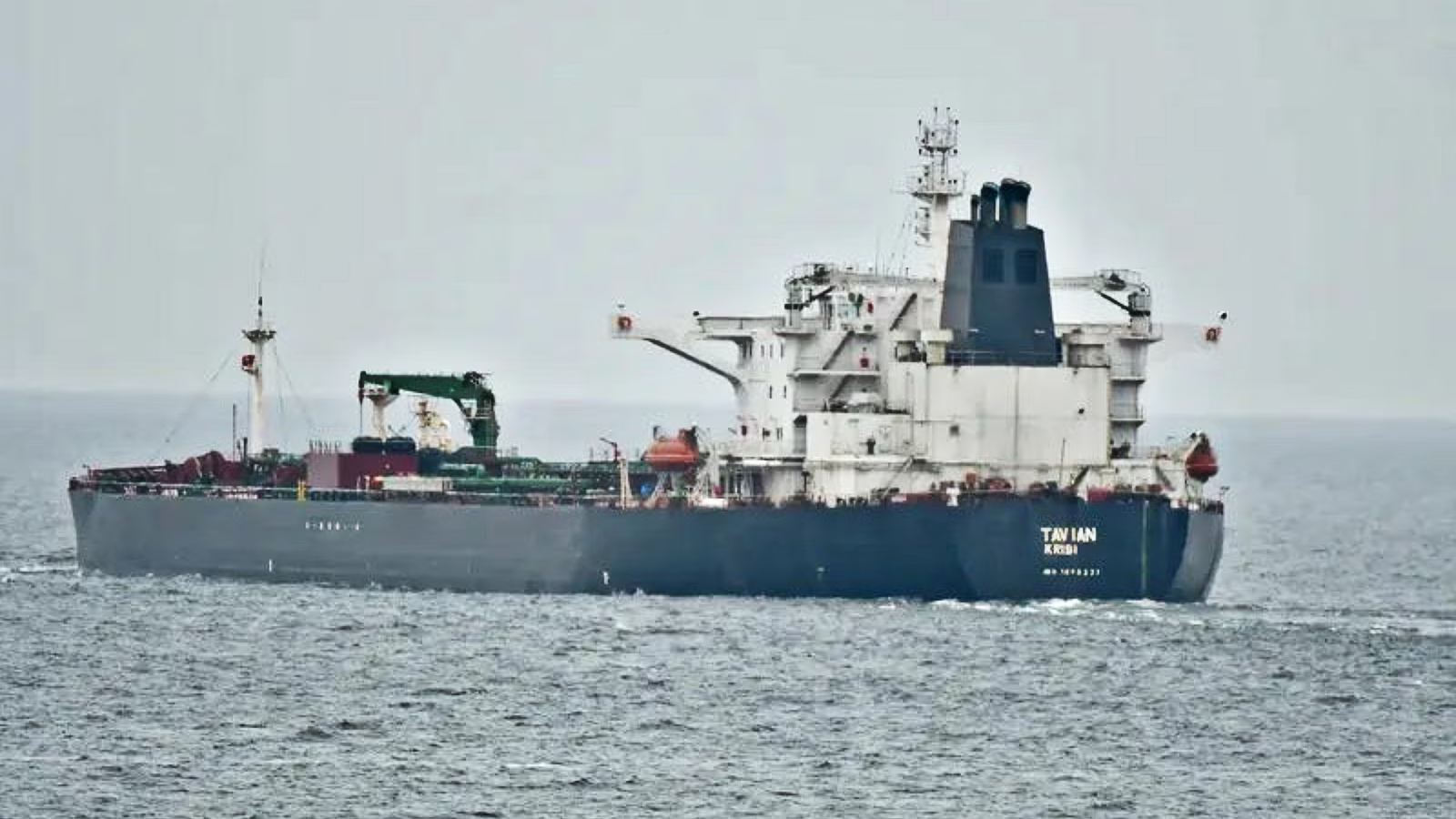
Dozens of oil tankers sanctioned by the United Kingdom over Russia’s war in Ukraine have continued to pass through the English Channel. This is despite government promises to take “assertive action” against vessels linked to Moscow’s oil exports.
Tracking by BBC Verify shows that at least 42 sanctioned tankers sailed through the Channel this month. This happened even after the UK government received legal advice confirming that such vessels could be detained.
Russia’s Shadow Fleet and Sanctions
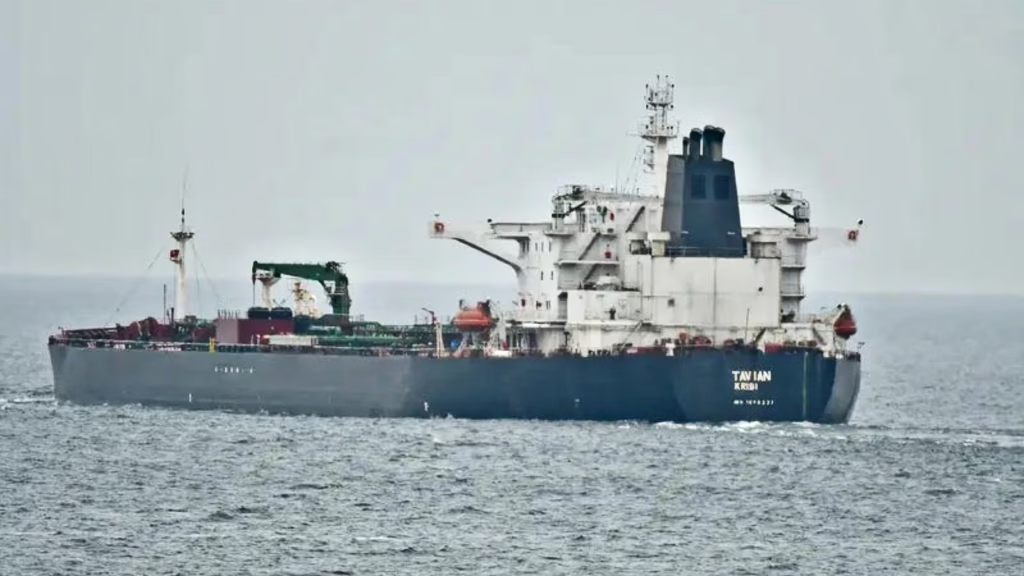
Since launching its full-scale invasion of Ukraine, Russia has relied on a so-called “shadow fleet” to keep exporting oil. These are mostly ageing tankers with unclear ownership that operate outside normal shipping rules to avoid sanctions.
The shadow fleet has allowed Russia to soften the impact of Western restrictions introduced in 2022. By moving oil through complex routes and switching identities, the vessels help keep Russian oil flowing to global markets.
Sanctioned Tankers Still Moving Freely
One of the tankers tracked was the Sofos, which was sanctioned by the UK in May 2025. The vessel travelled from Russia to Turkey, then to Venezuela, where it briefly switched off its tracking signal before reappearing and passing through the Channel.
Another tanker, the Nasledie, also entered the Channel in January. The ship, more than 20 years old, had recently changed its name and registration and was carrying about 100,000 tonnes of Russian crude oil.
UK Legal Powers Not Yet Used
Earlier this month, UK officials received legal assurances that troops could board and seize sanctioned vessels under existing law. The powers include detaining ships that operate under false flags or lack proper registration.
Despite this, British forces have not independently seized any shadow fleet tankers in the Channel. This contrasts with recent actions by the United States and France, which have helped intercept vessels in other waters.
Growing Political Frustration
Senior politicians have questioned why the UK has not acted more forcefully. Dame Emily Thornberry, chair of Parliament’s Foreign Affairs Select Committee, said sanctions must be enforced, not just announced.
Liberal Democrat MP Mike Martin, a former British Army officer, said the UK has the capability to board tankers near the Dover Strait. He argued that stopping oil shipments is key to weakening Russia’s war effort.
Russia Pushes Back
Russia has warned that detaining its tankers would be seen as a violation of international law. In January, reports suggested a Russian warship escorted a sanctioned tanker through the Channel following UK threats of tougher action.
Moscow has said any interference with its oil shipments would harm Russian interests. Analysts say this response shows how important oil revenues remain to the Russian economy.
Oil Revenues Fuel the War
Experts estimate that shadow fleet tankers move between 87 and 100 billion dollars’ worth of oil each year. In December 2025, nearly 70 percent of Russian crude exports were carried on sanctioned vessels.
Lawmakers and analysts say cutting off these oil flows is one of the strongest tools available to pressure Russia. They argue that tougher enforcement could reduce funding for the war in Ukraine.
UK Says Action Will Continue
In a statement, the UK Ministry of Defence said disrupting Russia’s shadow fleet remains a priority. Officials said Britain is working with allies to increase pressure on sanctioned vessels.
However, as tankers continue to sail through the English Channel, critics say stronger and more visible enforcement will be needed to turn sanctions into real impact.