
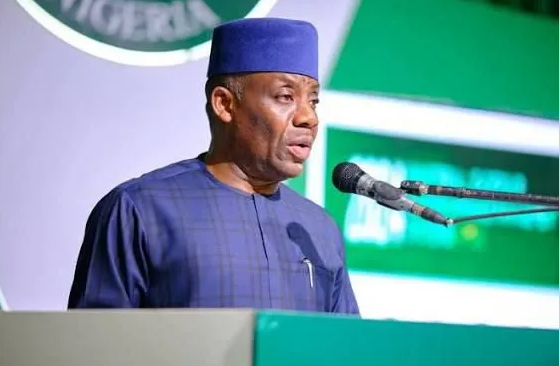
Nigeria has officially cancelled its three-year-old policy that required the use of indigenous languages as the medium of instruction in early primary school. The government has now reverted to English as the universal teaching language from pre-primary classes through to university. The reversal marks a major shift in education policy and has triggered a fresh national debate.
The original policy, introduced by former Education Minister Adamu Adamu, was built on the argument that children learn faster and understand concepts better when taught in their mother tongue. International studies, including several UN-backed reports, supported this idea. However, the Nigerian government now says the implementation failed to produce positive results and has become a barrier to student performance.
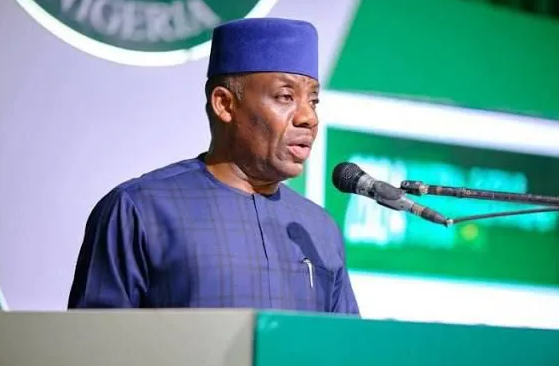
Speaking in Abuja, current Education Minister Dr. Tunji Alausa said the programme “did not deliver the expected academic improvements.” Instead, the ministry recorded declining performance levels in several regions that adopted the policy heavily. The government reviewed exam outcomes from the West African Examinations Council (WAEC), the National Examinations Council (Neco), and the Joint Admissions and Matriculation Board (Jamb) before making this decision.
Poor Results Linked to Mother-Tongue Instruction
According to Dr. Alausa, data from multiple exam bodies showed “mass failure rates” in regions where mother-tongue teaching was implemented more widely. The minister added that Nigeria’s exam structure is designed around English, making it difficult for students to transition smoothly from indigenous-language instruction to English-based assessments.
Education experts say the policy failed mainly due to weak implementation. Many schools lacked trained teachers fluent in local languages, while others had no access to textbooks or learning materials in indigenous languages. Nigeria has over 500 languages, making national-level execution extremely challenging without major investment.
A Sector Already Under Pressure
Nigeria’s education system is currently facing several deep-rooted issues, including poor teacher training, inadequate funding, inconsistent learning materials, and frequent strikes. Although 85% of children attend primary school, fewer than half complete secondary education. The UN reports that 10 million Nigerian children remain out of school, the highest figure in the world.
These long-standing challenges made it difficult for the mother-tongue programme to succeed within a short timeline.
Mixed Reactions Across the Country
The government’s sudden reversal has sparked contrasting reactions:
Supporters of the cancellation say the policy caused confusion in schools and further weakened learning outcomes. Education specialist Dr. Aliyu Tilde welcomed the decision, arguing that Nigeria lacks the trained workforce required to teach in multiple languages. He also pointed out that national exams remain in English, making early exposure to English essential.
A mother of two, Hajara Musa, also said she supported the move because early exposure to English would benefit her children academically and globally.
Critics of the reversal, however, argue that the mother-tongue policy was abandoned prematurely. Social affairs analyst Habu Dauda said that a three-year trial was too short to judge such a major change. He insisted the government should have invested more in teacher training, materials, and long-term planning.
Balancing Heritage and Practicality
The debate highlights Nigeria’s ongoing struggle to preserve its rich linguistic heritage while meeting the practical demands of modern education. In a globalised world where English proficiency holds economic value, the challenge lies in maintaining cultural identity without compromising academic performance.
For now, English will remain the dominant language of instruction across all levels of schooling, but the conversation around indigenous languages and national identity is far from over.