
The M23 armed group has announced plans to withdraw from the eastern Democratic Republic of the Congo (DRC) town of Uvira, following a request from the United States, as efforts to secure a ceasefire continue to face setbacks.
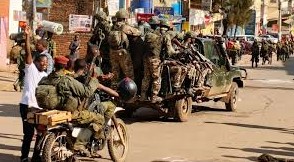
The Rwanda-backed rebels captured the strategic town in South Kivu province last week, raising concerns over the stability of recent peace agreements aimed at ending months of violence in the region.
Rebels Say Withdrawal Is a ‘Good Faith’ Move
Corneille Nangaa, leader of the Alliance Fleuve Congo (AFC) coalition, which includes the M23 group, said fighters would leave Uvira in response to US mediation efforts.
In a statement posted on X, the group described the move as a “unilateral trust-building measure” intended to give the Doha peace process the best chance of success.
The coalition called on international guarantors to oversee the demilitarisation of the town, protect civilians, and monitor the ceasefire through the deployment of a neutral force.
Situation on the Ground Remains Unchanged
Despite the announcement, Al Jazeera reporters in Uvira said M23 fighters were still present in the town as of Tuesday morning.
The rebel coalition warned that past withdrawals had been used by the Congolese army and allied forces to retake territory and target civilians accused of supporting the rebels, increasing fears among local residents.
Peace Process Under Strain
The capture of Uvira threatened both a US-brokered peace agreement signed in Washington, DC, between Congolese and Rwandan leaders, and a separate framework deal agreed in Doha between the rebels and the DRC government.
US Secretary of State Marco Rubio accused Rwanda of violating the Washington Accords, although Kigali continues to deny backing the M23 group. Rubio said the United States was prepared to take action to ensure commitments to the peace process are respected.
Analysts Question Rebel Motives
Security experts say the withdrawal announcement may be a strategic move rather than a genuine step toward peace.
Paul-Simon Handy, East Africa regional director at the Institute for Security Studies, said the takeover of Uvira appeared to be a negotiating tactic aimed at forcing concessions from the Congolese government.
He added that such actions have been seen before, where territory is seized, vacated, and later retaken, undermining trust in the peace process.
Risk of Regional Escalation Remains
Uvira’s location near Lake Tanganyika and the border with Burundi has raised fears of a wider regional conflict. Burundi has maintained troops in eastern DRC for years, and renewed fighting could further destabilise the area.
Since January, violence in eastern Congo has killed thousands and displaced hundreds of thousands, worsening an already severe humanitarian crisis.
Conclusion
While M23’s announcement to withdraw from Uvira has been presented as a gesture of goodwill, uncertainty remains over whether the ceasefire will hold. With past agreements frequently broken and regional tensions still high, international observers say lasting peace will depend on sustained pressure, monitoring, and genuine commitment from all sides.