
Along the shores of Lake Naivasha in Kenya, thick layers of water hyacinth have become a serious environmental problem. The fast-growing plant spreads across the water’s surface, blocking sunlight, reducing oxygen levels, and damaging fish habitats. For years, it has hurt local fishing communities and disrupted the lake’s natural balance.
But for Joseph Nguthiru, a Kenyan engineer, the invasive plant has become a solution rather than just a problem.
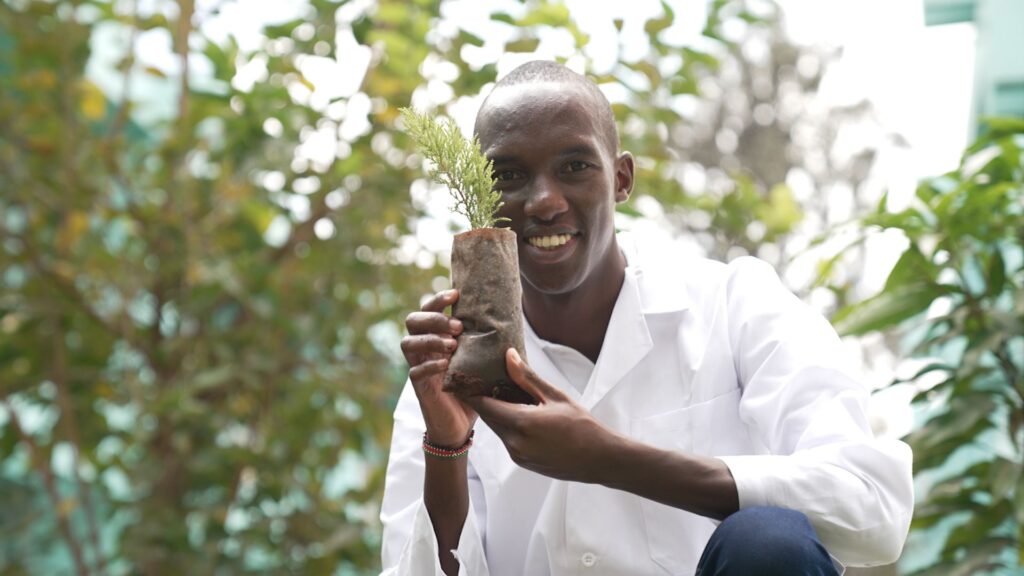
Nguthiru is the founder and chief executive of HyaPak, a startup that transforms water hyacinth into biodegradable alternatives to plastic. His work addresses two major challenges at once: environmental damage caused by invasive weeds and the growing crisis of plastic pollution.
Turning a Problem into an Opportunity
“Water hyacinth is one of the world’s most invasive aquatic plants,” Nguthiru explains. “It destroys ecosystems, blocks irrigation channels, and affects fishing. It can also increase mosquito breeding, which raises malaria risks.”
Instead of treating the weed as waste, Nguthiru saw its potential as a raw material. Water hyacinth grows quickly, is widely available, and is often removed from lakes at great cost. By collecting and reusing it, HyaPak reduces cleanup costs while creating useful products.
Biodegradable Products That Replace Plastic
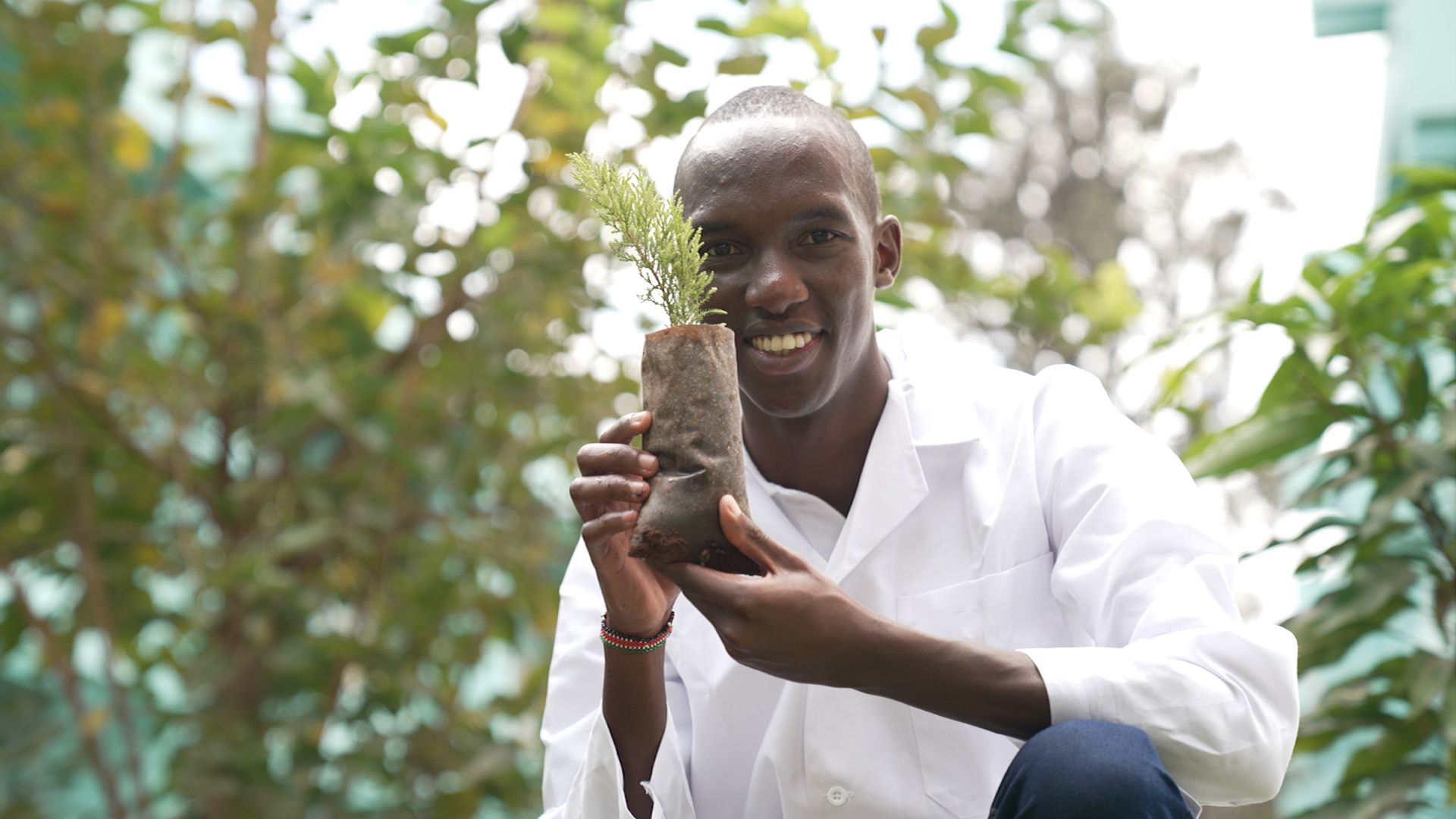
HyaPak’s most notable product is its biodegradable seedling bag. These bags replace plastic nursery bags commonly used in farming and tree planting. Unlike plastic, which can remain in the soil for decades, HyaPak’s seedling bags are planted directly into the ground.
As the bags break down, they release nutrients into the soil, helping plants grow faster and healthier. Farmers do not need to remove the bags before planting, which saves time and reduces waste.
“Our products feel and work like plastic,” Nguthiru says. “But they break down naturally. That means no plastic waste and better soil at the same time.”
The company also explores other packaging and agricultural products made from plant fibres, aiming to reduce dependence on single-use plastics.
Environmental and Social Impact
So far, HyaPak’s work has helped clear more than 20 acres of water hyacinth from Lake Naivasha. This has improved water flow, restored parts of the ecosystem, and supported local fishing activities.
The project also creates local jobs, especially for communities living near the lake. Residents are involved in harvesting the plant, processing raw materials, and manufacturing products. This provides income while encouraging environmental stewardship.
By linking conservation with livelihoods, HyaPak shows how green innovation can support both people and nature.
Global Recognition for Local Innovation
Nguthiru’s efforts have gained international attention. In 2025, he received the Young Champion of the Earth Award from the United Nations Environment Programme (UNEP). The award recognises young leaders who create practical solutions to environmental challenges.
UNEP praised the project for tackling pollution, restoring ecosystems, and promoting sustainable production.
A Model for Sustainable Development
Kenya, like many countries, faces rising plastic waste and increasing pressure on natural resources. Innovations such as HyaPak highlight how local solutions can address global problems.
By turning an invasive plant into a useful product, Nguthiru’s work offers a model for circular economy thinking, where waste is reused rather than discarded.
As demand for eco-friendly materials grows, HyaPak hopes to expand its operations beyond Lake Naivasha and inspire similar projects across Africa.
“Our goal is simple,” Nguthiru says. “Protect the environment, reduce plastic pollution, and create opportunities for communities.