
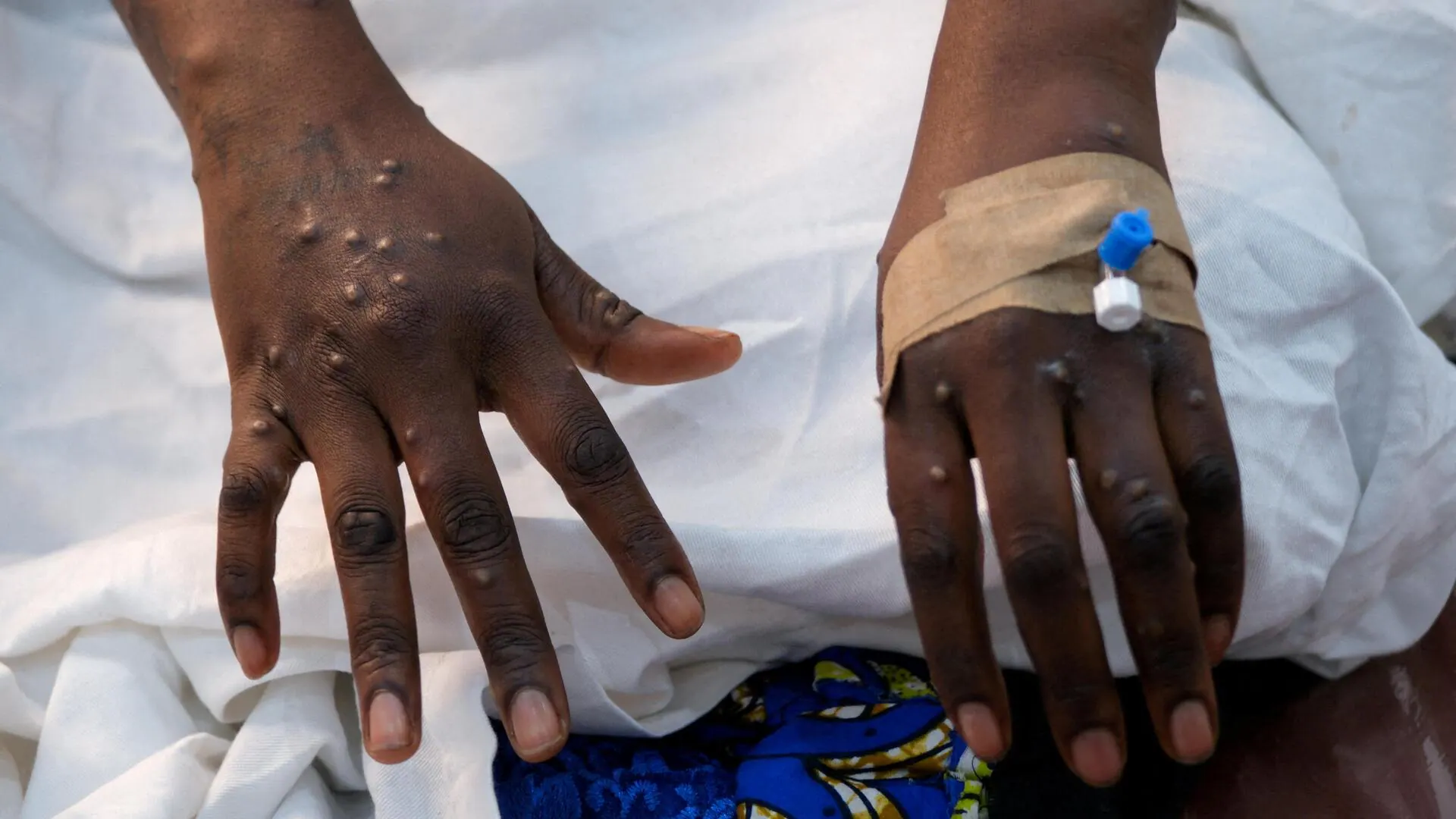
On 26 January 2026, Ethiopia’s Ministry of Health officially declared the end of the Marburg virus disease (MVD) outbreak. The decision followed 42 consecutive days without a new case, in line with World Health Organization (WHO) guidelines. The last confirmed patient died on 14 December 2025 and received a safe and dignified burial.
Health authorities reported 19 total cases, including 14 confirmed cases and five probable cases. Among the confirmed cases, nine people died, while all probable cases were fatal. A total of 857 contacts completed the full 21-day monitoring period without developing symptoms.
How the Outbreak Began
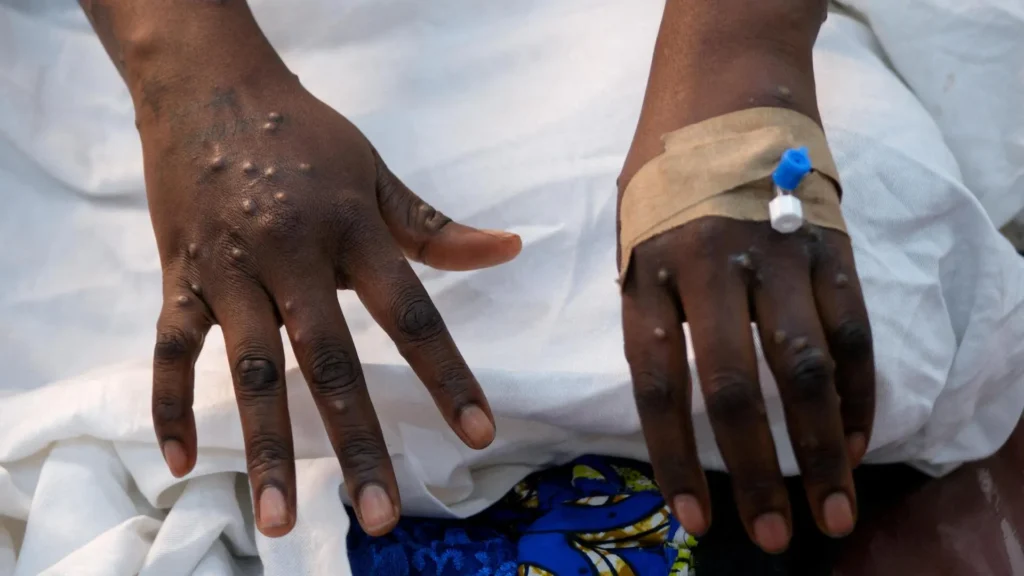
The outbreak started in October 2025 in Jinka town, South Ethiopia Region. The first patient showed symptoms on 23 October and sought care the following day. Laboratory tests at the Ethiopian Public Health Institute confirmed the presence of the Marburg virus.
This marked the first time Ethiopia reported a Marburg outbreak.
Response and Containment
Health authorities traced contacts, carried out active surveillance, and tested 3,800 samples. WHO and its partners supported Ethiopia with technical, financial, and operational assistance. These efforts helped stop further transmission.
No new cases emerged during the 42-day monitoring period.
About Marburg Virus Disease
Marburg virus disease is a severe and often fatal illness. It spreads from fruit bats to humans and then through direct contact with bodily fluids. Caregivers, healthcare workers, and people involved in burials face higher risk without proper protection.
Symptoms begin suddenly and include high fever, headache, muscle pain, vomiting, and diarrhea. Severe cases may cause bleeding, shock, and organ failure.
There is no approved vaccine or specific treatment, but early medical care improves survival.
Regional and Global Context
Before Ethiopia’s outbreak, 19 Marburg outbreaks had been reported worldwide. The most recent occurred in Tanzania in early 2025. Other affected countries include Uganda, Kenya, Rwanda, Angola, Ghana, and South Africa.
Ongoing Risk and Preparedness
Although the outbreak has ended, the risk of re-emergence remains due to possible spillover from animals. Health authorities will continue community awareness campaigns, fight misinformation, and reduce stigma.
WHO urges Ethiopia to maintain strong surveillance systems and stay ready to respond quickly if new cases appear.
Early detection, rapid response, and public awareness remain the best tools to prevent future outbreaks and save lives.