
The planned East African Crude Oil Pipeline (EACOP) is drawing intense scrutiny after a new analysis warned it could emit over 34 million tonnes of carbon dioxide annually at peak production, challenging Africa’s climate goals and threatening sensitive ecosystems.
Stretching 1,443 kilometres from Uganda’s Lake Albert oil fields to Tanzania’s Indian Ocean port of Tanga, the $5.6-billion project is designed to unlock the region’s petroleum reserves. However, environmental campaigners say it risks locking East Africa into decades of carbon dependence while undermining global net-zero commitments.
Protected Areas at Risk
A report by Earth Insight, Mounting Threats: Mapping What’s at Stake as EACOP Advances, uses satellite data to show that the pipeline’s route cuts through 44 protected areas and seven internationally recognised biodiversity hotspots.
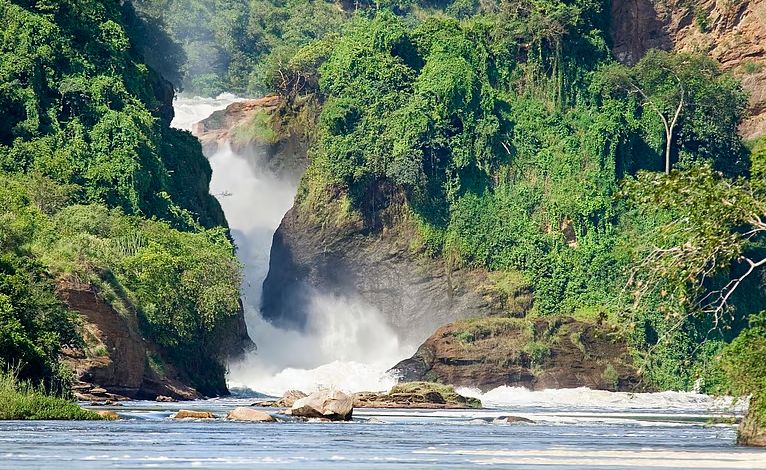
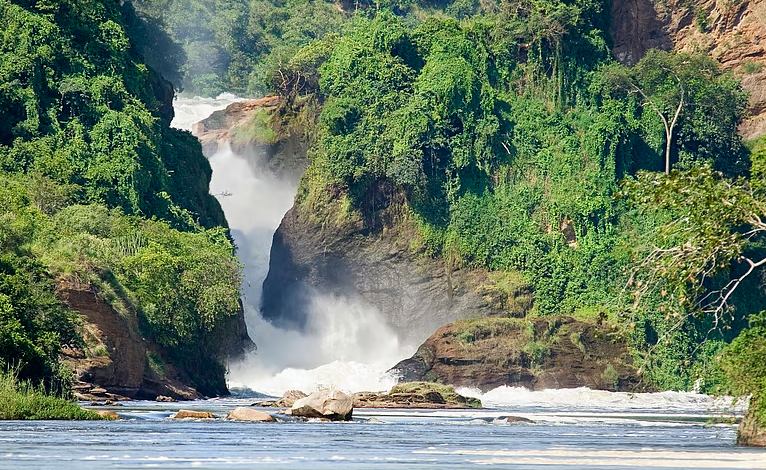
Among the most vulnerable is Murchison Falls National Park, Uganda’s largest reserve and home to elephants, lions, hippos, giraffes, and rare bird species. Activists claim at least 38 km of new roads and nine well pads have already fragmented parts of the park to make way for the Tilenga feeder line.
The study warns that infrastructure such as roads, construction camps, and access corridors could intensify poaching, logging, and land clearing, further stressing fragile habitats.
Project Timeline and Financing Challenges
Launched in 2016, EACOP has faced repeated delays over environmental, social, and financing concerns. Campaigners allege that despite official claims of 60% completion, only 39% of the main pipeline and 22% of the Tilenga feeder have been built.
Financial support is also shrinking: 30 global insurers and 43 banks have reportedly withdrawn from the venture, citing environmental and human-rights risks. US insurer Chubb was the latest to decline coverage, according to activists.
A Wider Fossil Fuel Debate in Africa
The pipeline debate comes as several African nations weigh large-scale oil and gas development against climate commitments. In the Democratic Republic of Congo, new agreements covering 55 oil blocks overlap millions of hectares of rainforest and community land. Similarly, in the Republic of Congo, exploration blocks threaten wetlands and endangered species such as Western lowland gorillas.
Environmental groups argue that instead of expanding fossil fuel extraction, African governments should channel investment into renewable energy, water security, and climate resilience.
“EACOP is more than an oil pipeline — it’s a test of whether Africa will safeguard its biodiversity and people or pursue short-term profits at the expense of the planet,” said Florencia Librizzi of Earth Insight.
What’s Next?
With the Africa Climate Summit spotlighting the continent’s response to global warming, pressure is mounting on Uganda, Tanzania, and regional leaders to reassess the pipeline. Supporters view EACOP as a vital economic project that could create jobs and boost exports, while critics see an environmental and social tipping point.
As construction proceeds, the outcome may shape how Africa balances resource development with its pledge to contribute to the global transition to cleaner energy.