
The year 2025 has been a challenging one for democracy across Africa. From disputed elections to deadly protests and military takeovers, many countries faced rising political tension. In several places, the gap between citizens and those in power appeared to widen.
Events in Tanzania in October offered a clear example of these struggles. Protesters took to the streets after elections they believed were unfair. Police opened fire, killing demonstrators and shocking the nation. Regional and continental organisations condemned the violence, which damaged Tanzania’s long-standing reputation for peace and stability.
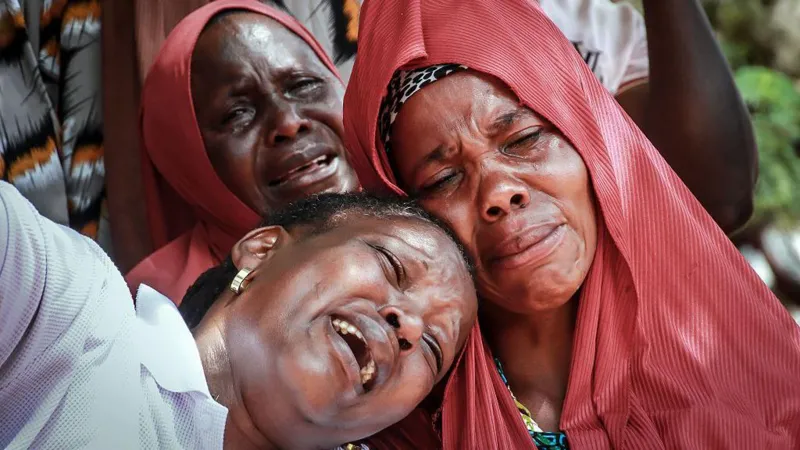
With opposition candidates either jailed or barred from running, President Samia Suluhu Hassan won the election with 98% of the vote. Critics said the result showed that earlier hopes of democratic reform had faded. What happened in Tanzania reflected a broader pattern seen in other African countries during the year.
A Growing Gap Between Leaders and Citizens
Across the continent, many analysts say trust between governments and citizens has weakened. Protests, election disputes, and limits on political freedoms became more common in 2025. In some countries, military leaders tightened their grip on power.
Mo Ibrahim, whose foundation tracks governance across Africa, warned that the overall trend is troubling.
“When we look at the continent as a whole, the direction is worrying,” he said.
The Mo Ibrahim Foundation’s latest governance report shows that progress has stalled. The index measures areas such as security, citizen participation, health, and education. While governance improved steadily in the decade before 2022, recent gains have slowed or reversed.
The report links this decline to several factors. These include a rise in coups, the return of military rule, and shrinking space for opposition voices.
Cost of Living Fuels Public Anger
In many countries, rising living costs played a major role in driving protests. Inflation increased the price of food, fuel, and basic goods. While this was a global problem, African economies were often hit harder.
Mo Ibrahim warned that if these trends continue unchecked, years of democratic progress could be lost. For many people, economic pressure made political frustration boil over.
Signs of Hope in Some Countries
Despite the challenges, 2025 was not entirely bleak for democracy. Some countries saw peaceful elections and changes in leadership.
In Malawi, former president Peter Mutharika returned to power after spending time in opposition. His victory followed a competitive election.
In Seychelles, the long-ruling United Seychelles party regained power five years after losing office. In both cases, voters punished leaders they felt had failed to control inflation and protect living standards.
These outcomes followed important developments in 2024.
In South Africa, the African National Congress (ANC) lost its parliamentary majority for the first time since 1994. The party entered a power-sharing deal with its main rival, marking a major shift in the country’s politics.
In Senegal, street protests and court rulings blocked attempts by the president to extend his rule. A relatively unknown candidate later won the presidency after the main opposition leader was barred from running.
Military Rule Tightens in the Sahel
Elsewhere, democracy faced serious setbacks. Nowhere was this clearer than in West Africa’s Sahel region.
Mali, Niger, and Burkina Faso are now governed by military leaders who came to power through coups. These countries later withdrew from the regional bloc ECOWAS and formed a new alliance.
Analysts say this shows how military rule has become more entrenched. The situation also raises concerns about regional stability and future democratic transitions.
Youth, Demographics, and Rising Tension
Africa has the youngest population in the world, but many countries are led by some of the oldest political leaders. This gap is creating new pressure.
Young people, often connected through social media, are more informed and vocal. Many want a say in how they are governed and are willing to protest when they feel ignored.
Cameroon offers a striking example. The average age of its population is just over 18 years, according to the United Nations. Yet the country is led by President Paul Biya, who is 92 years old.
Biya, who has ruled for 43 years, was sworn in for an eighth term in 2025. If he completes it, he could remain in office until nearly 100.
Elections Spark Unrest in Cameroon
Cameroon’s elections in October were deeply divisive. Critics said they were neither free nor fair. Authorities rejected those claims.
While security forces did not respond as violently as in Tanzania, anger over the results led to days of protests. For many observers, this unrest showed that a younger generation is ready to openly challenge long-standing leaders.
An Uncertain Road Ahead
Taken together, the events of 2025 show a continent at a crossroads. Some countries demonstrated that democratic change is still possible. Others moved further away from open governance.
Analysts warn that 2026 could bring more instability if political leaders fail to address economic hardship, youth demands, and governance failures.
For Africa’s democracies, the coming years may prove decisive in determining whether progress resumes or further erosion continues.