
The brutal killing of a 14-year-old orphan girl in Somalia has shocked the nation and drawn renewed attention to the issue of child abuse, which often remains hidden inside family homes.
A woman is now awaiting execution after being convicted of murdering Saabirin Saylaan, a young girl who had been placed in her care. The crime, which took place in November in the city of Galkayo, sparked public anger and widespread protests, particularly among women and young people.
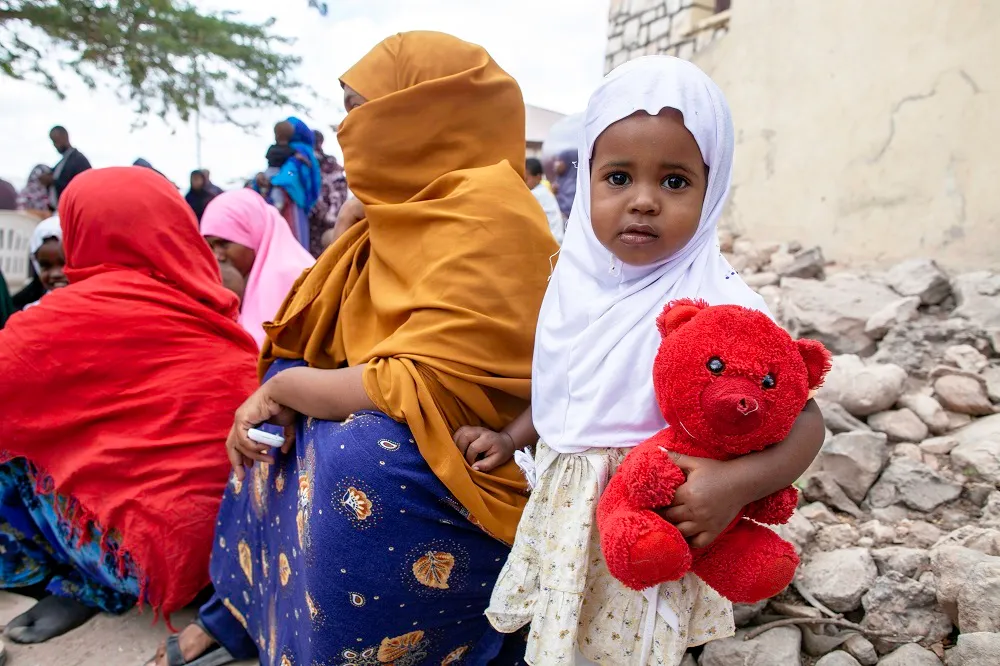
For many Somalis, Saabirin’s death represents more than one tragic case. It has become a symbol of the failure to protect children, especially orphans, in a country where abuse is rarely reported and legal safeguards are weak.
Rare Conviction in a Child Abuse Case
A Somali court found 34-year-old Hodan Mohamud Diiriye guilty of murder. She denied the charges, and her lawyer has filed an appeal. Despite the appeal, the verdict marked a rare moment in Somalia, where courts seldom impose the death penalty for crimes involving child abuse.
Diiriye’s husband, Abdiaziz Nor, who is 65 years old, was cleared of murder. However, the court sentenced him to one year in prison and fined him $500 for negligence.
Authorities said the ruling sent a strong message that abuse against children would not be ignored.
Saabirin’s Life Before the Abuse
Saabirin’s life was marked by loss from a very early age. Both of her parents died within a short period when she was only one year old. Her two grandmothers also passed away, leaving her without close family support.
She was later cared for by her late mother’s aunt, who ensured that she attended school and received a basic education, including lessons at a traditional Quranic school.
Her situation changed in September, when her great-aunt agreed that Saabirin could move in with Diiriye’s family. They were looking for a home helper, and the decision would soon prove deadly.
Abuse Behind Closed Doors
Police investigations revealed that during the two months Saabirin lived in the household, she suffered repeated physical abuse. Officers described the treatment as routine beatings and torture.
Evidence found on Diiriye’s mobile phone included videos and audio recordings that documented ongoing violence against the child. Some of these recordings were later leaked to the public, although it remains unclear who shared them.
In one disturbing audio clip, Diiriye can be heard telling the girl:
“I’m enjoying your pain.”
A post-mortem examination later showed that Saabirin had multiple injuries and deep stab wounds, pointing to prolonged and severe violence before her death.
Public Outrage and Protests
As details of the abuse became public, anger spread quickly. Hundreds of women and young people marched through the streets of Galkayo, carrying signs that read “Justice for Saabirin.”
Protesters gathered outside the local hospital where her body was kept in the morgue. Tensions rose, and clashes broke out between demonstrators and police. During the unrest, a young man was shot and killed, although authorities have not confirmed who fired the fatal shot.
On social media, young women and girls launched campaigns using hashtags that carried Saabirin’s name, demanding accountability and stronger child protection laws.
“No child should die like this,” said Aniiso Abdullahi, an 18-year-old protester, in a video shared widely online.
Clash Between Justice and Clan Customs
Many protesters also rejected attempts by some traditional elders to resolve the case through clan-based negotiations. In Somalia, elders often intervene to prevent revenge attacks and maintain peace. These discussions usually involve financial compensation rather than criminal punishment.
Critics argue that this system prioritises social stability over justice. Women and children are often excluded from such decisions, leaving serious crimes unresolved.
In Saabirin’s case, activists insisted the matter should be handled by the courts, not behind closed doors.
A Hidden Crisis of Child Abuse
Child rights groups say abuse in Somalia is often hidden within families. Extended households are traditionally viewed as private spaces where the state should not interfere.
As a result, only the most extreme cases reach the police.
To build public trust, Saabirin’s trial and related court hearings were broadcast live on social media, allowing citizens to follow the legal process closely.
Regional police commander Mohamud Abdihakim said the verdict was an important step forward.
“The perpetrator is now awaiting the implementation of the death sentence,” he said. “If evidence shows that others were involved, the law will apply to them as well.”
Calls for Stronger Child Protection
Najeb Wehelie, director of the child rights organisation Dhoodaan, said the case exposed serious gaps in protecting children.
“Children continue to face violence inside family homes,” he said. “Only the worst cases ever come to the attention of authorities.”
He added that Somalia needs stronger laws, better reporting systems, and community awareness to prevent abuse before it turns deadly.
Abuse Cases Continue to Emerge
Saabirin’s case is not an isolated incident. In June, police in Mogadishu reported the severe abuse of a three-year-old boy inside his home. The child’s stepmother was arrested shortly after the report was made.
Activists say these cases show the urgent need for reform.
For many Somalis, Saabirin Saylaan’s death has become a painful reminder that protecting children requires not only laws, but also social change, accountability, and the courage to speak out.