
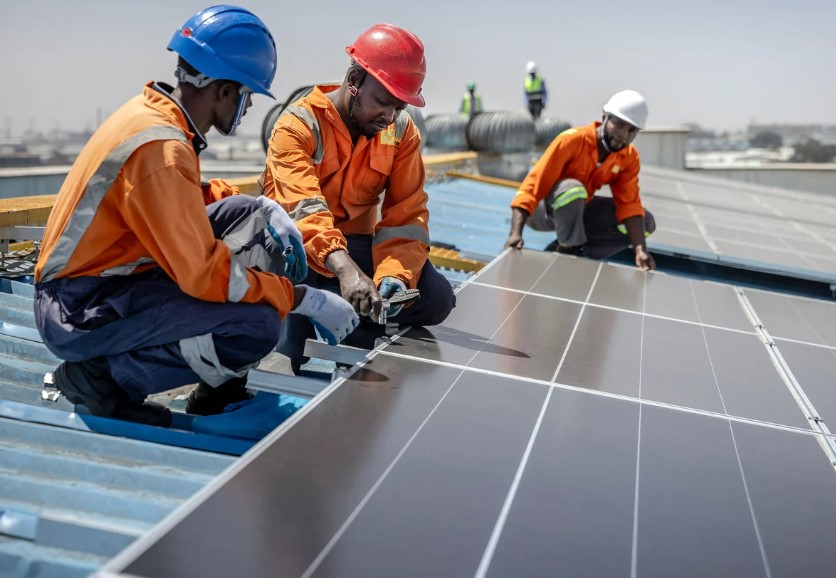
A quiet revolution is taking shape across Africa — one powered not by fossil fuels, but by the sun. As leaders, investors, and environmental advocates gather in Addis Ababa for the Africa Climate Summit 2025, optimism is running high that the continent’s long-anticipated green economy boom may finally be taking flight.
Across nations, solar farms are expanding, renewable startups are flourishing, and low-carbon investments are gaining unprecedented traction. Africa, long seen as vulnerable to the impacts of climate change, is beginning to position itself as a global leader in clean energy innovation.
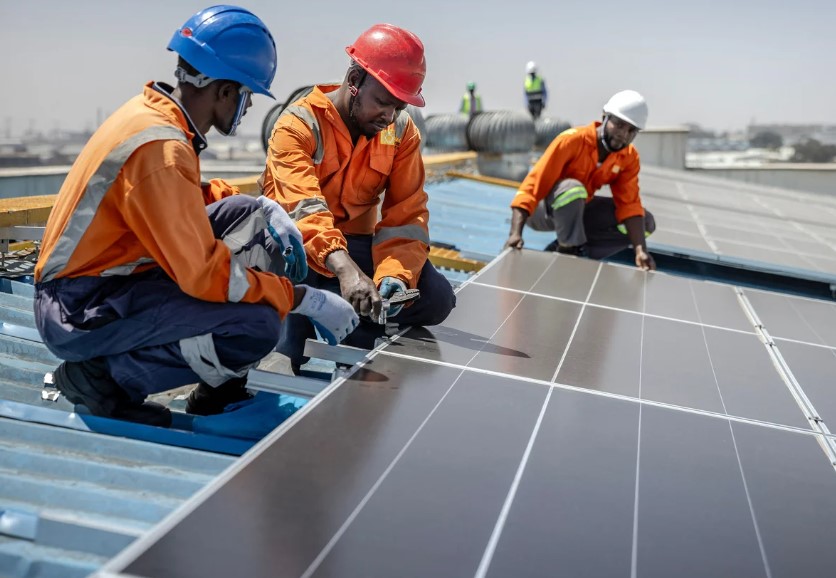
Yet, even as the continent celebrates record-breaking growth in renewables, leaders warn that this transformation will only endure if it is backed by sustainable financing and equitable partnerships.
A Turning Point for the Continent
The Africa Climate Summit, hosted by the African Union and the Government of Ethiopia, serves as a strategic lead-up to the UN COP30 climate conference later this year. Delegates from across Africa have converged in Addis Ababa to refine a unified message: Africa has the resources and ingenuity to lead the global energy transition — but it needs fair financial support to do so.
“Africa is ready to power its future sustainably,” said one delegate during the opening session. “But readiness alone is not enough. Without adequate financing, this green momentum could stall before it scales.”
The summit comes at a pivotal moment. Over the past year, Africa has seen a record surge in solar power capacity, with several nations — including Kenya, Morocco, South Africa, and Egypt — announcing major renewable energy milestones. Analysts estimate that renewable energy investment across the continent rose by more than 40% in 2025, a clear sign that confidence in Africa’s green transition is growing.
Bridging the Financing Gap
Despite this progress, the challenges are undeniable. Experts at the summit highlighted a persistent financing gap, with Africa receiving less than 3% of global clean energy investment despite being home to nearly 20% of the world’s population.
Many leaders called for reforms in international finance systems, urging wealthier nations and development banks to unlock climate funds more equitably and support Africa’s local industries.
“Africa doesn’t want handouts; it needs partnerships,” emphasized a speaker from the African Development Bank. “We have the talent, the land, and the sunlight. What we need now is the capital to match our ambition.”
The Promise of a Green Future
The tone in Addis Ababa was one of determination rather than dependence. Panels showcased innovative African-led projects — from community-owned solar grids in rural Uganda to large-scale wind corridors in the Horn of Africa. These initiatives are not only transforming energy access but also creating jobs, empowering youth, and building climate resilience.
For many attendees, the message was clear: Africa’s green future is no longer a distant dream — it’s already unfolding, one solar panel at a time.
“This summit is about redefining Africa’s narrative,” said one youth climate activist. “We’re not waiting for the world to save us. We’re building the solutions ourselves.”
Looking Ahead
As discussions continue, expectations are mounting for a strong unified African position at COP30. The Addis Ababa summit has made one thing clear — the continent’s renewable revolution is not just about energy; it’s about economic transformation, climate justice, and self-determination.
If the financing and global support align, Africa’s green economy could ignite a new era of prosperity — proving that the path to net zero can also be a path to growth.