
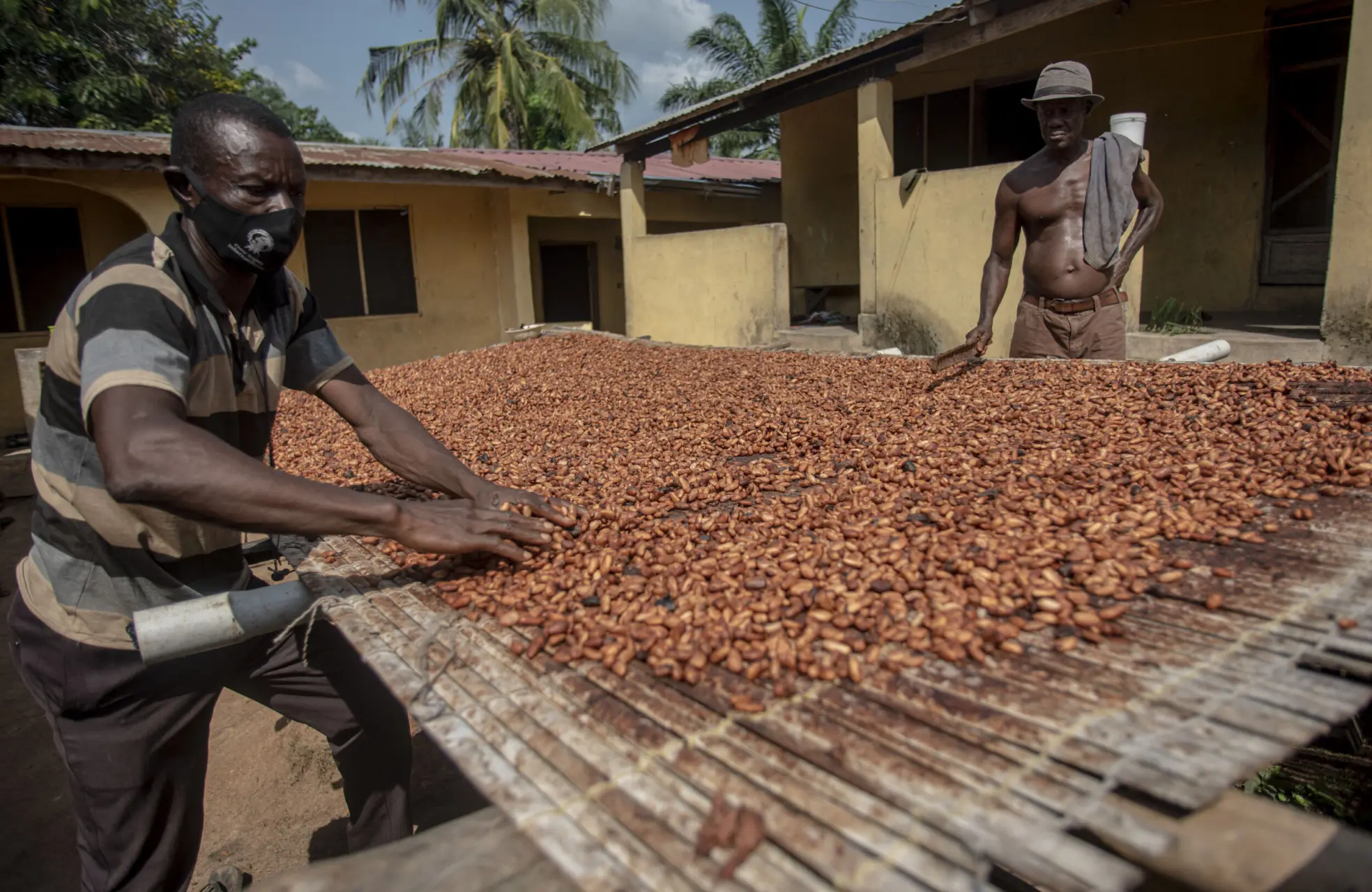
Africa’s major stories on February 12, 2026, reflect a continent under pressure from climate shocks, economic strain, political change, and security risks. From falling exports and unpaid farmers to deadly storms and landmark court rulings, these developments highlight how global shifts are deeply affecting everyday life across the region.
This daily roundup brings together key stories from across the continent, offering a clear and accessible overview of what is shaping Africa’s politics, economies, and societies today. While these updates are brief, they point to deeper challenges that governments, communities, and regional bodies must confront together.
South Africa’s Beef Exports Fall Sharply
Beef exports from South Africa dropped by 26% in 2025, even as global demand for meat continued to rise. The decline followed a ban by China after a major outbreak of foot-and-mouth disease spread across much of the country.
The virus has now been detected in seven of South Africa’s nine provinces, making it one of the worst outbreaks in decades. Exports to China alone fell by 69%, dealing a major blow to farmers who rely heavily on foreign markets.
At the same time, severe drought in the Western, Eastern, and Northern Cape provinces has worsened conditions for livestock farmers. Dams have dried up, grazing land has vanished, and farmers are spending heavily on animal feed just to keep herds alive.
Farmers Struggle as Climate Extremes Intensify
Farmers say the current drought is worse than the one that nearly left Cape Town without water in 2015. Many have lost dozens of cattle and sheep in recent months, pushing small producers closer to collapse.
Economists warn that the combined impact of disease and drought could permanently reduce the national herd. This could lead to higher food prices and greater dependence on imports as climate patterns become more unpredictable.
The government has begun rolling out its first foot-and-mouth vaccine in 20 years and aims to vaccinate 80% of the country’s 12 million cattle. However, most vaccine doses are imported, raising concerns about speed and long-term preparedness.
Ghana’s Cocoa Farmers Go Months Without Pay
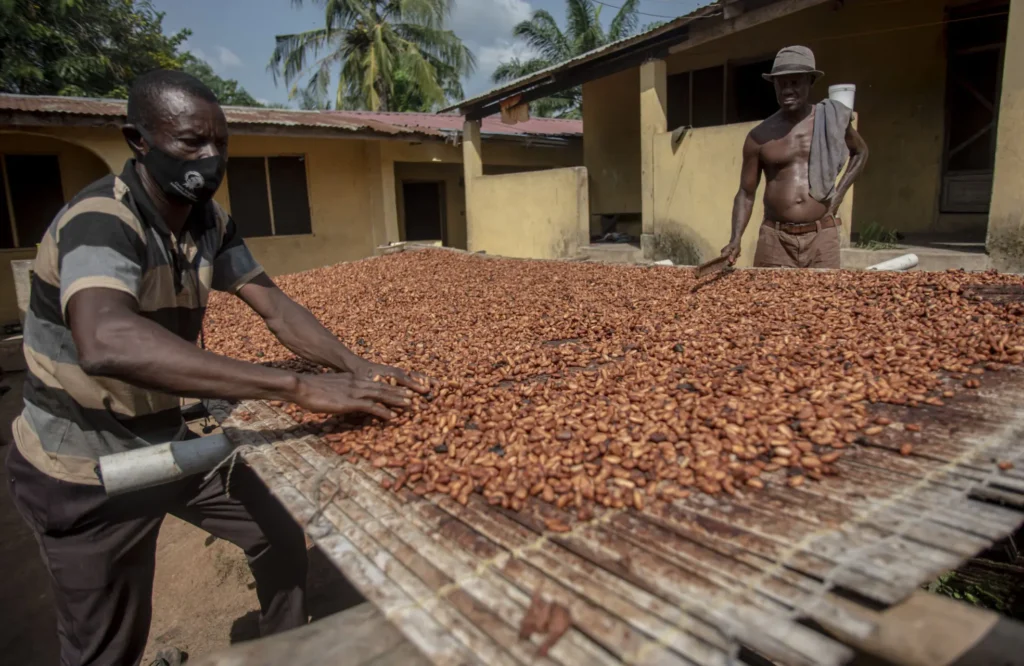
In Ghana, thousands of cocoa farmers are struggling after delivering beans but receiving no payment for months. Around 50,000 metric tons of cocoa are currently sitting unsold at ports due to falling global demand.
Farmers say the situation has forced them to cut back on food, delay school fees, and borrow money just to survive. Some licensed buying companies have closed their shops, leaving farmers with beans they cannot sell.
Ghana, the world’s second-largest cocoa producer, is facing lower prices after a previous surge driven by poor harvests elsewhere. Cocoa now trades at about $4,000 per metric ton, well below last year’s highs.
Calls Grow for Urgent Government Action
Farmer groups say the government must first pay for beans already delivered before discussing any price cuts. Cocoa can only be stored for six to twelve months in hot and humid conditions before quality declines.
Licensed buyers estimate that about 300,000 tons of cocoa still need financing for payment. Without urgent intervention, farmers warn that production could fall sharply in future seasons.
The crisis highlights the vulnerability of small farmers to global market swings and raises questions about how governments can better protect producers from sudden demand shocks.
Cyclone Gezani Devastates Madagascar
Cyclone Gezani has killed at least 36 people in Madagascar, injured hundreds, and destroyed nearly 18,000 homes in just 24 hours. The storm struck the eastern port city of Toamasina with winds exceeding 195 kilometers per hour.
Authorities say more than 250,000 people have been affected, with entire neighborhoods flattened and roads flooded. Many deaths were caused by collapsing buildings, as large parts of the population live in fragile housing.
President Michael Randrianirina has declared a national disaster and appealed for international assistance. Food, shelter materials, and medical supplies are urgently needed as families struggle to rebuild.
Climate Change Raises Storm Risks
Madagascar has been hit by more than a dozen major storms since 2020, reflecting the growing impact of climate change. Scientists warn that warmer oceans are fueling stronger and more destructive cyclones.
Aid agencies say repeated disasters are stretching response capacity and pushing vulnerable communities deeper into poverty. Without stronger infrastructure and disaster planning, future storms could be even more deadly.
The cyclone adds to a growing list of climate-related emergencies across Africa, from floods to droughts, that are testing governments’ ability to respond quickly and effectively.
Boat Tragedy on the Nile in Sudan
At least 21 people died after a passenger boat capsized on the Nile in Sudan. The vessel was carrying nearly 30 people when it sank due to high waves in the Shendi area.
Rescue teams recovered 21 bodies, while six people survived. The passengers included women, children, and elderly people, highlighting the human cost of poor transport safety.
Medical groups say weak regulation and lack of oversight contribute to frequent boat accidents. With few bridges available, many communities depend on poorly maintained private vessels.
Flood Recovery Efforts in Morocco
In Morocco, the government has allocated $330 million to rebuild areas hit by severe flooding. Torrential rains displaced about 188,000 people and submerged 110,000 hectares of farmland.
Authorities declared several municipalities disaster zones and deployed rescue teams, helicopters, and boats. Funds will be used to repair roads, rebuild homes, and support farmers and small businesses.
Officials say rainfall this winter was far above average, ending a long drought but creating new challenges. Dam levels have risen sharply, offering water security but also increasing flood risks.
Legal and Political Developments Across the Continent
In Tunisia, the appeal of jailed lawyer Ahmed Souab was postponed, and his request for release on health grounds was denied. Rights groups continue to warn of shrinking civic space under President Kais Saied.
In South Africa, a high court ruling affirmed the right to use indigenous languages in court. The decision was welcomed as a major step for fair trials and cultural inclusion.
Meanwhile, in the Democratic Republic of Congo, the UN plans reconnaissance flights to support a ceasefire in the east. The government is also preparing its first international bond to fund infrastructure projects.
A Continent at a Turning Point
Taken together, these stories show Africa facing a moment of deep uncertainty and opportunity. Climate change, global market shifts, political pressure, and security challenges are reshaping daily life across regions.
Analysts warn that without stronger regional cooperation, fair trade systems, and climate resilience, African countries risk being pushed to the margins of a changing world order. At the same time, legal victories and policy reforms offer signs of progress.
As global power dynamics evolve, Africa’s choices today will shape its future. Acting together, protecting citizens, and investing in resilience may determine whether the continent shapes global change or is shaped by it.