
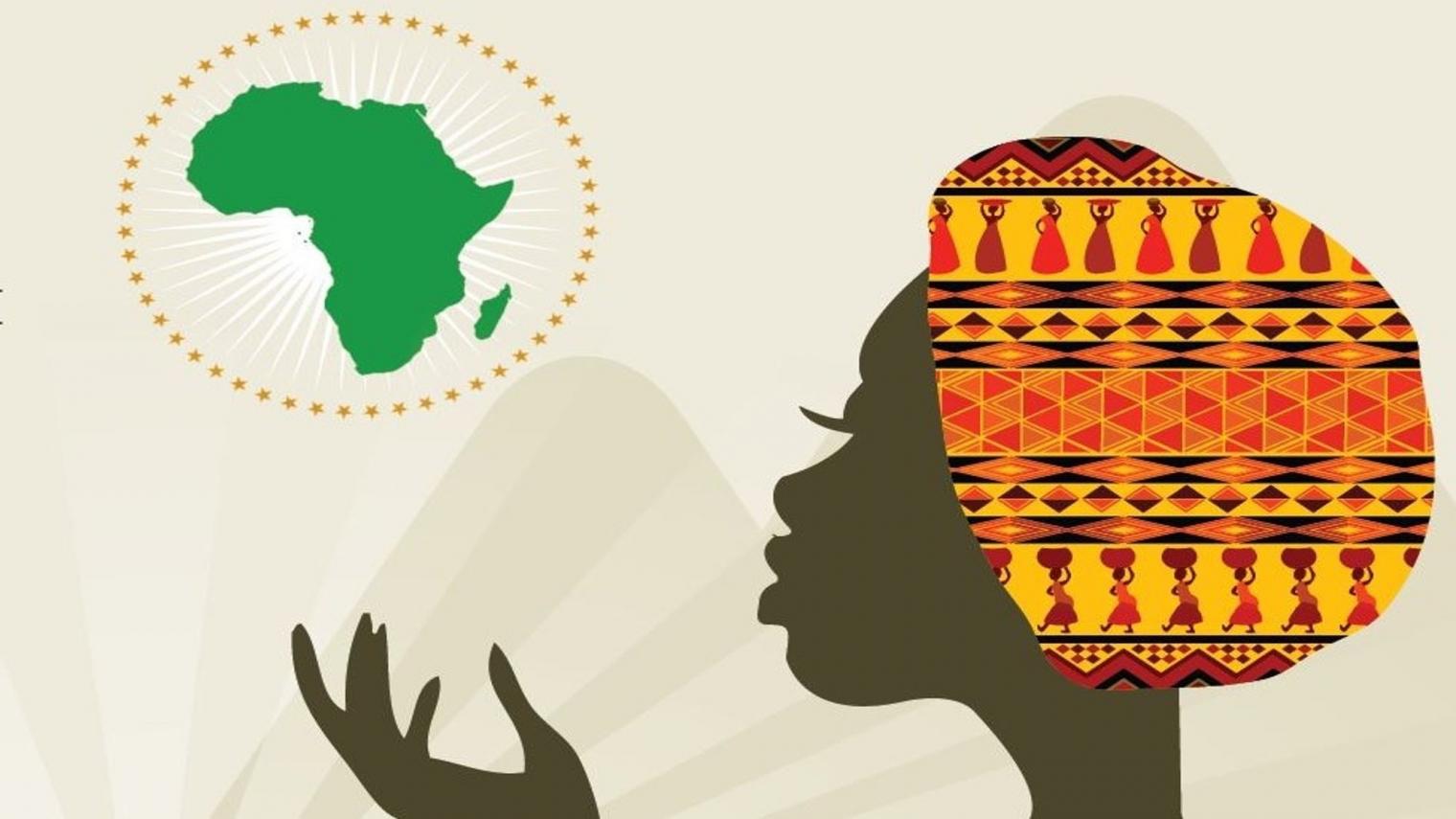
Africa stands at a critical moment as leaders gather for the 39th African Union Summit to discuss the continent’s future. While Africa is home to about 17 percent of the world’s population, it continues to carry a far heavier share of global disease and preventable deaths, especially among women, children, and adolescents. These outcomes are not inevitable, but they reflect long-standing gaps in investment, implementation, and accountability in health systems across the continent.
In 2023 alone, more than 70 percent of global maternal deaths occurred in Africa, with an estimated 182,000 women dying from pregnancy-related complications. Nearly 58 percent of global under-five deaths and almost half of all newborn deaths were also recorded on the continent. These figures highlight the urgent need for collective action that moves beyond promises toward measurable results.

Africa’s Health Burden in a Global Context
The scale of preventable deaths in Africa remains deeply concerning when compared to other regions. According to data cited by the World Health Organization, sub-Saharan Africa alone accounted for roughly 70 percent of global maternal deaths in 2023, far surpassing any other region. Central and Southern Asia followed at a distant second with about 17 percent of maternal deaths.
Newborn and child mortality show a similar pattern. Approximately one million neonatal deaths occurred in sub-Saharan Africa in 2023, giving the region the highest neonatal mortality rate globally at 26 deaths per 1,000 live births. This rate is 11 times higher than that recorded in Australia and New Zealand, the region with the lowest neonatal mortality.
Persistent Gaps in Investment and Care
Despite decades of progress in medical knowledge, Africa continues to struggle with chronic underinvestment in sexual, reproductive, maternal, newborn, child, and adolescent health, commonly referred to as SRMNCAH. Many countries face shortages of skilled health workers, weak primary health care systems, and limited access to essential medicines and equipment, particularly in rural and marginalized communities.
These challenges are compounded by population growth and rising demand for services. While some countries have made gains, progress remains uneven, leaving millions of women and children without the care they need to survive and thrive. The result is a cycle of preventable illness and death that undermines broader development goals.
Longstanding Commitments, Limited Implementation
Commitments to women’s, children’s, and adolescents’ health are not new. African Union Member States have repeatedly expressed political will through continental and global frameworks, including the Sustainable Development Goals, the Global Strategy for Women’s, Children’s and Adolescents’ Health, and the Maputo Protocol and Plan of Action.
Additional commitments include the 2010 AU Summit Declaration on Maternal, Newborn and Child Health and the Africa Health Strategy. While these frameworks provide a strong policy foundation, the challenge today lies in turning commitments into consistent action and ensuring accountability at national and regional levels.
From Political Pledges to Measurable Delivery
One of the key advocacy messages for the 39th African Union Summit is the urgent need to shift from declarations to delivery. Despite repeated commitments, Africa still recorded more than 182,000 maternal deaths in 2023, a stark reminder that political will has not yet translated into sufficient impact on the ground.
Accelerating progress will require stronger accountability mechanisms, including regular and transparent reporting on women’s, children’s, and adolescents’ health outcomes. Institutionalizing such reporting within African Union regional processes can help track progress, identify gaps, and hold governments accountable for results.
Closing the Financing Gap for SRMNCAH
Financing remains one of the most critical barriers to improving health outcomes. Chronic underinvestment in SRMNCAH continues to drive inequities, with sub-Saharan Africa accounting for around 70 percent of global maternal deaths and nearly 58 percent of under-five deaths. Many health systems remain heavily dependent on external funding, which can be unpredictable and insufficient.
Strengthening domestic investment in health is essential for sustainable progress. Aligning national budgets with country priorities, reinforcing primary health care, and improving efficiency in health spending can help close systemic gaps and ensure that resources reach those who need them most.
Fragile and Conflict-Affected Settings Need Priority
Maternal and child mortality rates are highest in fragile and conflict-affected settings, where health systems are often weakened or disrupted. In sub-Saharan Africa, 18 out of 48 countries are classified as fragile or conflict-affected, placing enormous strain on essential health services.
In these contexts, integrating humanitarian and development responses is critical. Strengthening community-based health delivery and protecting frontline health workers can help maintain continuity of care, even in complex and unstable environments. Without targeted support, women and children in these settings will continue to face the greatest risks.
Accelerating Newborn and Child Survival
Newborn and child survival must remain a top priority for African leaders. Although neonatal mortality declined by about 12 percent between 2015 and 2023, progress has been slower than needed to meet global targets. Sub-Saharan Africa still records the highest neonatal and under-five mortality rates worldwide.
Scaling up proven, cost-effective interventions can save millions of lives. Improving quality of care at birth, expanding access to skilled health workers, and strengthening integrated maternal and child health services are among the most effective strategies for reducing preventable deaths.
Addressing Inequity and Adolescent Health
Inequality remains a defining feature of health outcomes across the continent. A child born in sub-Saharan Africa is, on average, 18 times more likely to die before their fifth birthday than a child born in Australia or New Zealand. These disparities reflect deeper social and economic inequities affecting women, children, and adolescents.
Investing in adolescent health is particularly important, as this stage of life shapes long-term outcomes. Inclusive health policies that address education, nutrition, mental health, and reproductive health can help break cycles of disadvantage and support healthier futures for the next generation.
Strengthening Accountability Through Partnerships
While under-five mortality declined by about 23 percent between 2015 and 2023, progress has been uneven across countries and regions. This unevenness highlights persistent challenges in coordination, implementation, and accountability within health systems.
Aligning continental commitments with country-led action is essential. Stronger partnerships among governments, civil society, the private sector, and development partners can help accelerate delivery across the full continuum of care, from pregnancy through adolescence.
A Defining Moment for the African Union
As leaders meet under the banner of the African Union, the 39th African Union Summit represents a defining opportunity to reset priorities and strengthen accountability for women’s, children’s, and adolescents’ health. The data are clear, the solutions are known, and the cost of inaction is measured in lives lost.
By closing financing gaps, prioritizing fragile settings, accelerating proven interventions, and reinforcing accountability through partnership, Africa can make meaningful progress. Advancing the health of women, children, and adolescents is not only a moral imperative but also a foundation for sustainable development, economic growth, and a healthier future for the continent.