
Kenya has received a major boost to its healthcare system after medical donations were shipped from Canada to support the Universal Health Coverage (UHC) programme. The shipment strengthens efforts to improve access to essential medical services across the country.
The medical supplies left Canada on Monday, February 2, 2026, after months of planning and coordination. Government officials say the donation will help reduce shortages in public hospitals, especially in underserved regions.
The support comes as Kenya’s healthcare system continues to face pressure from rising demand and limited resources.
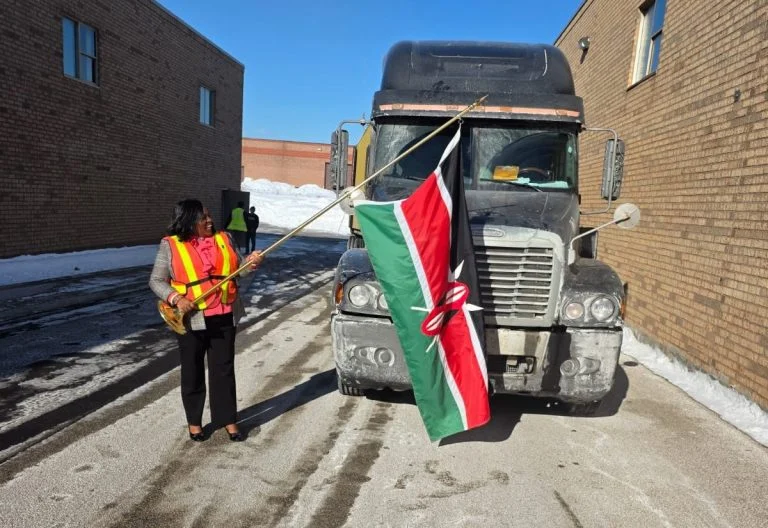
Medical Donations Flagged Off in Canada
Kenya’s High Commissioner to Canada, Carolyne Kamende Daudi, officially flagged off a 40-foot container carrying the medical supplies. The shipment departed from the Health Partners International Canada (HPIC) distribution centre in Oakville, Toronto.
Officials from the Kenyan mission and representatives of HPIC attended the ceremony. The event marked the end of months of coordination between the two sides.
Leaders said the shipment reflects a strong partnership between Kenya and Canadian humanitarian organisations.
Partnership With Health Partners International Canada
During the ceremony, Kamende joined HPIC President Hon. Lois Brown and members of her team. The event highlighted the role of partnerships in improving healthcare delivery.
HPIC worked closely with the Kenyan High Commission to organise the donation. Both sides ensured the supplies matched Kenya’s most urgent health needs.
Officials said such coordination helps ensure donated items reach facilities that need them most.
Supporting Universal Health Coverage Goals
The shipment supports Kenya’s wider push to strengthen public healthcare under the UHC programme. UHC aims to ensure all Kenyans can access quality healthcare without financial hardship.
The donation includes essential medicines, medical equipment, and consumables. Authorities will distribute the supplies to hospitals and clinics nationwide.
Health officials will prioritise facilities facing severe shortages, especially in rural and remote areas.
Early Talks Made the Donation Possible
Kamende said discussions with HPIC began in December 2025. The talks focused on how donations could address gaps in medicines and basic equipment.
Both sides paid special attention to regions that struggle to attract health resources. These early discussions helped make the shipment possible.
Message After the Flag-Off
After the container left Canada, Kamende shared an update on her official X account. She said the donation would directly support Kenya’s healthcare agenda.
“The medical donations will go a long way in strengthening Universal Health Coverage,” she wrote.
She added that partnerships like this help improve health outcomes for communities.
Appreciation for Continued Support
Kamende thanked HPIC for its continued support to Kenya. She praised the organisation for its long-standing work in delivering medical aid.
“I sincerely thank HPIC and the team for the donations and their continued work in Kenya,” she said.
Her remarks highlighted the importance of global cooperation in healthcare.
About Health Partners International Canada
Health Partners International Canada is a charitable organisation that works with pharmaceutical firms, healthcare institutions, and donors. It collects surplus medical supplies and delivers them to communities in need.
Since 1990, HPIC has sent medical aid worth hundreds of millions of dollars to more than 130 countries. The organisation focuses on safe and ethical distribution.
HPIC’s Work in Kenya
In Kenya, HPIC works with local partners to distribute supplies to public hospitals and health centres. These partners help ensure items reach the right facilities.
The organisation focuses on medicines, equipment, and consumables. Public hospitals remain a priority because they serve most patients.
Ongoing Challenges in Public Healthcare
The shipment arrives as Kenya’s public healthcare system faces ongoing challenges. Many hospitals lack medicines, equipment, and basic supplies.
The situation remains worse in rural and remote areas. Health workers often operate with limited resources, which affects service delivery.
Patients may face treatment delays or seek care elsewhere.
Pressure on Patients and Health Workers
Shortages increase pressure on both patients and health workers. Patients often pay out of pocket for medicines, which strains household finances.
Health workers must make difficult choices when supplies run low. This affects morale and care quality.
Donations like those from HPIC help ease this pressure.
Role of Donations in Health Reforms
Donations do not replace long-term reforms, but they play an important role. They help bridge gaps as the government implements changes.
Under UHC, Kenya is improving financing, infrastructure, and service delivery. Partner support helps maintain progress during the transition.
Government Commitment to UHC
The government has reaffirmed its commitment to Universal Health Coverage as a key development goal. Officials see UHC as vital for reducing poverty and improving productivity.
They say access to affordable healthcare improves quality of life. Kenya continues to seek partners who support this vision.
Importance of International Partnerships
The Canada–Kenya medical donation shows the value of international partnerships. Such cooperation allows countries to share resources and expertise.
Officials say Kenya remains open to working with global partners to strengthen its health sector.
Looking Ahead
As the supplies reach hospitals and clinics, attention will shift to distribution and impact. Health authorities will ensure items reach facilities most in need.
The government says it will continue engaging partners as UHC reforms advance. For now, the shipment offers timely relief and reinforces Kenya’s commitment to universal healthcare.