
A Ugandan court has dropped a criminal case against a man who was charged with “aggravated homosexuality,” an offence that carries the death penalty under Uganda’s anti-gay law. His lawyer confirmed the decision on Monday.
The case attracted national and international attention because it was the first prosecution under the aggravated homosexuality clause.
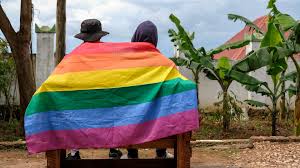
Background of the Anti-Homosexuality Law
Uganda passed the Anti-Homosexuality Act in 2023 despite strong opposition from rights groups and foreign governments. The law introduced harsh penalties for same-sex relations.
Aggravated homosexuality covers repeat offences, sex involving minors or vulnerable persons, and cases where same-sex activity allegedly spreads a terminal illness.
The law sparked widespread criticism and diplomatic fallout.
First Accused Under the Law
The accused, a man from Soroti in northeastern Uganda, was arrested in August 2023 at the age of 20. Prosecutors accused him of having unlawful sexual relations with a 41-year-old man.
Police placed him on remand, where he spent nearly one year in custody. His detention raised concerns about due process and mental wellbeing.
Charges Changed During Trial
As the case progressed, prosecutors changed the charges. They replaced aggravated homosexuality with “carnal knowledge against the order of nature,” an offence under Uganda’s penal code.
That offence carries a possible life sentence. Despite the change, the accused remained in custody as the trial continued.
Court Discontinues the Case
On Monday, the magistrate handling the case discontinued the proceedings. The court ruled that the accused was of unsound mind after spending a long time on remand.
“The magistrate stopped the case after finding the accused mentally unfit,” lawyer Douglas Mawadri said.
The court delivered the ruling orally. A written judgment will follow later.
Legal Meaning of the Ruling
The ruling does not declare the accused innocent. However, it ends the prosecution and prevents the trial from continuing.
Ugandan law allows courts to stop cases when an accused person cannot understand the proceedings or take part in their defence.
Legal experts say long detention can severely affect mental health.
Judiciary Yet to Comment
Uganda’s judiciary has not issued an official statement on the ruling. Government officials have previously defended the law as reflecting national values.
Critics argue the law violates basic human rights and constitutional freedoms.
International Reaction to the Law
Uganda’s anti-homosexuality law triggered strong reactions abroad. The World Bank suspended new funding to Uganda for nearly two years.
The United States also imposed visa restrictions on some Ugandan officials. Rights groups continue to call for the law to be repealed.
Impact on LGBTQ+ Community
Activists say the law has increased fear among LGBTQ+ people in Uganda. Arrests and harassment rose after its passage.
Even without convictions, long detentions and public exposure cause lasting harm, rights groups say.
Concerns Over Remand Detention
The case renewed debate over long remand periods in Uganda. Lawyers warn that extended detention without trial violates basic rights.
In this case, the accused spent almost a year in custody before the court stopped the case.
What Comes Next
The Anti-Homosexuality Act remains in force. Authorities can still file future cases under the law.
Observers say courts will face growing pressure as similar cases arise. For now, the dropped case highlights the legal, human rights, and mental health concerns linked to the law.