
Nearly nine years after the brutal killing of two United Nations investigators in the Democratic Republic of Congo, justice remains out of reach.
Zaida Catalán, a 36-year-old Swedish national, and Michael Sharp, a 34-year-old American, were abducted and executed in March 2017 while working in Congo’s Kasai region. They were investigating reports of mass killings when they disappeared.
Their murders shocked the world and raised serious concerns about the safety of human rights investigators working in conflict zones.
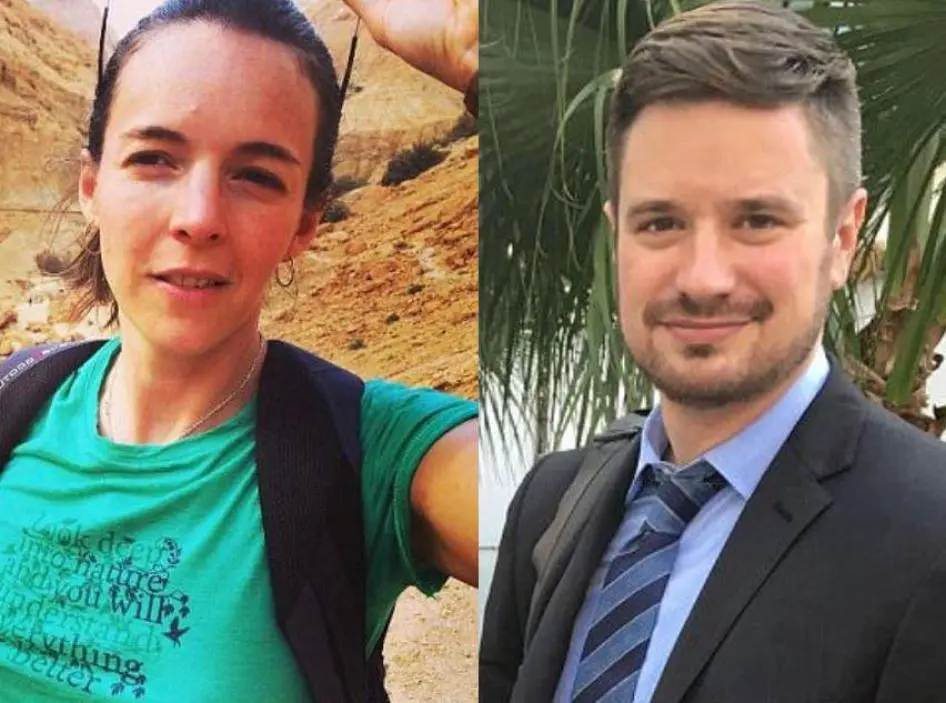
A Killing That Shocked the World
Grainy video footage later showed armed men leading Catalán and Sharp through open land. They were forced to sit down before being shot dead.
Their Congolese interpreter and three motorbike drivers who had accompanied them also disappeared and have never been found.
The killings sparked international outrage and fear among journalists, researchers, and human rights workers across central Africa.
Conflicting Accounts of Who Was Responsible
At the time, the government under former President Joseph Kabila blamed the Kamuina Nsapu militia for the murders.
However, later investigations by Congolese and international journalists revealed evidence suggesting involvement by senior government officials.
Reports showed that government agents had helped arrange the experts’ travel to the location where they were ambushed.
These findings raised serious questions about possible state involvement.
Court Trial Failed to Address Key Issues
In 2022, a Congolese military court convicted more than 50 people for involvement in the murders.
However, the trial was widely criticised.
Key concerns included:
Defendants being tried in their absence
Witnesses facing intimidation
Important evidence being ignored
Failure to investigate possible state responsibility
Although convictions were made, many observers said the trial did not deliver full justice.
An appeal ruling is expected soon.
Human Rights Commission Demands Full Truth
Last week, Congo’s National Human Rights Commission urged the judiciary to reopen deeper investigations.
The commission said all individuals named in official investigations, including those who may have ordered the killings, must be examined before the case is closed.
The commission also demanded answers about the fate of the four Congolese who disappeared alongside the UN experts.
Paul Nsapu, the commission’s president, said he holds evidence that could trace responsibility back to those who planned the crime.
He called for accountability not only for Catalán and Sharp, but also for Congolese victims of mass killings in Kasai.
Families Still Waiting for Justice
For the families of Catalán and Sharp, the pain has never faded.
They continue to seek full truth, accountability, and closure.
They believe justice cannot exist if only low-level suspects are punished while those who planned or ordered the killings remain protected.
Human rights groups agree that justice must reach all levels of responsibility.
Why This Case Still Matters
The murders are not only about two lives lost.
They represent the danger faced by human rights defenders worldwide.
They also test whether Congo’s justice system can protect truth, accountability, and human dignity.
Without full justice, similar crimes may continue.
Call for Genuine Accountability
Human rights advocates say genuine justice means:
Investigating all suspects regardless of rank
Protecting witnesses
Exposing political involvement
Upholding rule of law
Protecting future investigators
They warn that closing the case without full truth would damage public trust and encourage impunity.
Conclusion
Nine years later, justice for Zaida Catalán and Michael Sharp remains incomplete.
Their families, colleagues, and the Congolese people still wait for answers.
Until all those responsible are identified and prosecuted, the case will remain a painful reminder that justice delayed is justice denied.
The world continues to watch Congo, hoping truth and accountability will finally prevail.