
The Federal Government of Somalia has announced new health requirements for citizens planning to perform the Hajj pilgrimage in 2026. Under the new rules, all Somali residents who intend to travel to Saudi Arabia for Hajj must complete a mandatory medical screening before departure.
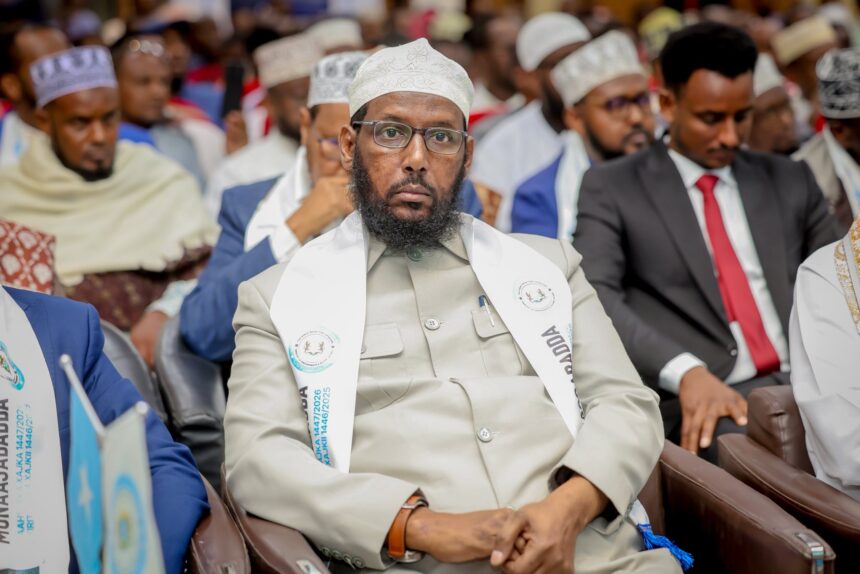
The announcement was made at a press briefing by Ibrahim Nadaara, the Director General of the Ministry of Endowments and Islamic Affairs. He said the decision follows regulations set by Saudi Arabia, which hosts the annual pilgrimage and is responsible for the safety of millions of worshippers from around the world.
According to the ministry, the health screening is compulsory and must be completed before pilgrims receive final travel approval.
Why Health Screening Is Required
Hajj is one of the largest religious gatherings in the world. Each year, millions of Muslims travel to Saudi Arabia to perform the pilgrimage, often under challenging conditions. Pilgrims walk long distances, spend hours in crowded areas, and face high temperatures, especially during the summer months.
Health authorities say these conditions can be dangerous for people with serious medical problems. In past years, emergencies during Hajj have included heat exhaustion, heart attacks, and the spread of infectious diseases.
Saudi Arabia has therefore introduced strict health rules for all pilgrims, and Somalia is aligning its policies with these international requirements.
Medical Conditions Covered in the Screening
The health checks will focus on identifying medical conditions that could place pilgrims at high risk during the pilgrimage.
Pilgrims will be screened for infectious diseases, including illnesses that can spread easily in large crowds. Officials say this measure is essential to protect both Somali pilgrims and other worshippers from around the world.
The screening will also assess chronic conditions such as heart disease, liver problems, and kidney disorders. These conditions can worsen during physically demanding activities, particularly in hot weather.
Women who are more than six months pregnant will receive special attention during the screening process. Health experts say advanced pregnancy can pose serious risks during long journeys and physically demanding rituals.
Individuals undergoing cancer treatment will also be evaluated carefully. Treatments such as chemotherapy can weaken the immune system, making patients more vulnerable to infections and exhaustion.
Guidance for Elderly Pilgrims
The Ministry of Endowments and Islamic Affairs has also issued specific guidance for elderly pilgrims.
Ibrahim Nadaara said that elderly individuals are encouraged to travel with a companion who can assist them during the pilgrimage. This guidance follows Saudi government rules aimed at reducing health emergencies among older pilgrims.
Hajj involves long periods of walking, standing, and waiting in crowded spaces. Officials say having a helper can make the journey safer and less stressful for elderly worshippers.
The ministry stressed that this requirement is meant to support elderly pilgrims, not to discourage them from fulfilling their religious duty.
Approved Hospitals for Medical Checks
To ensure a smooth and organised process, the Somali government has approved several hospitals to conduct the mandatory medical examinations.
In Mogadishu, the designated hospitals include Hodan Hospital, Horyaal Hospital, Somali Sudanese Hospital, Kaafi Hospital, and Liibaan Hospital. These facilities have been authorised to carry out health checks and issue official medical clearance certificates.
Pilgrims are advised to visit only these approved hospitals to avoid delays or rejection of their medical documents.
For pilgrims departing from other regions, including Hargeisa, Garowe, and Bosaso, medical screening will be carried out through approved health facilities in those areas. Regional authorities will follow the same national guidelines to ensure consistency.
Cost of the Medical Screening
One of the main concerns raised by prospective pilgrims was the cost of the new health requirements. In response, the ministry has set a clear price limit.
Nadaara confirmed that the cost of medical screening will not exceed $30 per pilgrim. This price cap follows government directives aimed at keeping Hajj travel affordable for ordinary citizens.
The ministry said it is working closely with hospitals to ensure fees remain within the approved limit and that no additional charges are imposed.
“Hajj is a religious obligation for those who are able,” Nadaara said. “We do not want health requirements to become a financial burden for our people.”
Ensuring Fair and Transparent Implementation
The government has said it will closely monitor the implementation of the new rules to prevent abuse or unfair practices.
Officials warned that any hospital or agent charging fees above the approved limit would face penalties. The ministry also urged pilgrims to report any irregularities during the screening process.
To avoid last-minute complications, pilgrims are encouraged to complete their medical checks well in advance of their planned travel dates.
Public Health and Safety Goals
Health experts say the new screening measures serve both individual and public health goals.
By identifying serious medical conditions early, authorities can reduce the risk of emergencies during Hajj. This helps protect not only Somali pilgrims but also other worshippers and health workers in Saudi Arabia.
The measures also help prevent the spread of infectious diseases, which can spread rapidly during large gatherings.
Officials say the policy reflects lessons learned from past pilgrimages, including outbreaks of illness and heat-related incidents.
Coordination With Saudi Authorities
Somalia’s Ministry of Endowments and Islamic Affairs is working closely with Saudi Hajj authorities to ensure full compliance with international requirements.
Saudi Arabia reviews health policies each year and updates its regulations based on global health risks and lessons from previous pilgrimages.
Somali officials said they will continue to update pilgrims if additional requirements are introduced closer to the 2026 Hajj season.
Reactions From the Public
The announcement has received mixed reactions from the public.
Some prospective pilgrims welcomed the decision, saying it would help ensure a safer and more organised pilgrimage. Others expressed concern about access to approved hospitals, particularly for people living in remote areas.
The ministry acknowledged these concerns and said it is exploring ways to expand access to medical screening services across the country.
Preparing for a Safe Hajj
Officials stressed that preparation is key to a successful pilgrimage. In addition to medical screening, pilgrims are advised to maintain good physical health, stay hydrated, and follow guidance provided by Hajj organisers.
The government plans to launch awareness campaigns to educate pilgrims about health risks, vaccination requirements, and safety measures during Hajj.
Looking Ahead to 2026
As preparations for the 2026 Hajj begin, Somali authorities say their priority is to protect pilgrims and ensure a smooth experience.
The ministry urged all prospective pilgrims to follow official instructions and avoid unofficial agents or unapproved medical facilities.
By introducing mandatory health screening, Somalia aims to reduce risks, save lives, and ensure that its citizens can perform Hajj safely and with peace of mind.