
Zimbabwe has taken a major step to strengthen its health system with the launch of its National Public Health Institute (NPHI). The new institution, known as the Public Health Institute of Zimbabwe (PHIZ), aims to improve the country’s ability to prevent, detect, and respond to health threats.
The institute follows global best practice and aligns with the African Union’s New Public Health Order. Officials say PHIZ will play a key role in building a stronger, more resilient health system and protecting the health of Zimbabweans.

What began as a long-term vision has now become a reality. The launch reflects strong political leadership, cooperation with regional partners, and support from international organisations.
A Major Step Toward Health Security
National Public Health Institutes bring together critical public health functions under one structure. These include disease surveillance, laboratory services, emergency preparedness, health research, and workforce training.
By creating PHIZ, Zimbabwe has strengthened its ability to respond quickly to disease outbreaks and public health emergencies. The institute also supports Primary Health Care and Universal Health Coverage (UHC), which aim to ensure all citizens can access essential health services.
Health experts say this approach improves coordination and reduces delays during health crises. It also allows policymakers to rely on accurate data when making decisions.
How the Institute Was Established
The journey to establish PHIZ began with careful planning by the Government of Zimbabwe, working closely with the World Health Organization (WHO). The project also received early funding from the European Union through the Global Gateway Team Europe Initiative.
Zimbabwe is one of ten African countries supported under this initiative, which focuses on strengthening public health security across the continent.
The goal was clear: to create a central institution that could coordinate disease monitoring, emergency response, research, and health workforce development. The institute would address both infectious diseases and non-communicable diseases, such as diabetes and heart disease.
Official Launch and Government Commitment
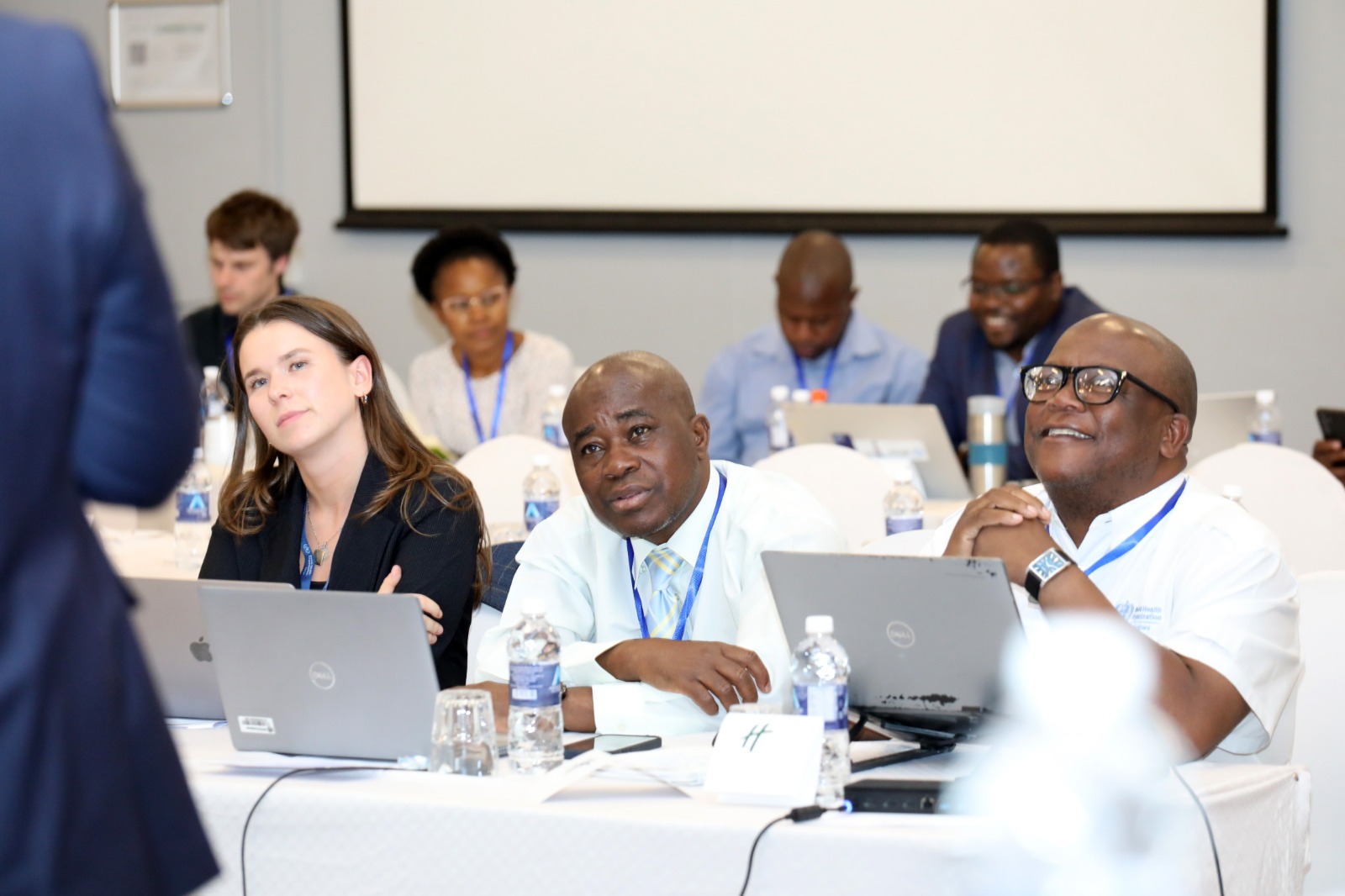
On 9 October 2025, Zimbabwe officially launched the Public Health Institute of Zimbabwe. The event brought together senior government officials, universities, health professionals, and international partners.
The Minister of Health and Child Care, Dr. Douglas Mombeshora, announced that he would personally chair the PHIZ Steering Committee. This decision signaled strong government commitment to leadership, transparency, and accountability.
Officials said the institute will help Zimbabwe build a health system that is better prepared for future challenges, including pandemics.
Support from the World Health Organization
At the launch, the WHO Representative to Zimbabwe, Dr. Desta Tiruneh, stressed the importance of the institute.
He said that a strong National Public Health Institute is essential, not optional. According to him, PHIZ will help Zimbabwe deliver Universal Health Coverage and protect future generations.
Dr. Tiruneh described the institute as a national safeguard and a long-term investment in the country’s health and development.
Linked to Zimbabwe’s Vision 2030
The government has linked the creation of PHIZ to Zimbabwe’s Vision 2030, which aims to transform the country into an upper-middle-income economy.
Health officials said a strong public health system is necessary for economic growth. A healthy population is more productive, and strong disease control reduces economic disruption.
The government believes PHIZ will play a key role in achieving these national goals.
Learning from Regional Experience
Soon after setting up the Steering Committee, Zimbabwe sent a senior delegation to the Zambia National Public Health Institute (ZNPHI). The visit took place from 15 to 17 December 2025.
During the visit, Zimbabwean officials learned about governance systems, laboratory networks, and daily operations. They also explored how Zambia coordinates across different sectors during health emergencies.
The exchange highlighted the importance of regional cooperation. Zimbabwe plans to apply these lessons to strengthen its own institute.
PHIZ Today: A Central Hub for Public Health
Today, PHIZ serves as the central hub for public health in Zimbabwe. It brings together functions that were once spread across different government departments.
The institute now:
- Collects and analyses health data
- Coordinates emergency responses
- Strengthens disease surveillance
- Supports research and training
- Guides evidence-based policymaking
By centralising these roles, Zimbabwe can respond faster to health threats and plan better for the future.
Building a Safer and Healthier Future
The establishment of PHIZ marks a turning point for Zimbabwe’s health system. It shows strong political will, technical leadership, and effective partnerships with organisations such as WHO and the European Union.
Health experts say PHIZ sets an example for other countries in the region. It demonstrates how investment in public health institutions can improve preparedness, protect lives, and support long-term development.
The World Health Organization has called on additional partners to support PHIZ and help strengthen Zimbabwe’s health system further.
With PHIZ now in place, Zimbabwe has taken a decisive step toward a healthier, safer, and more resilient future for all its people.