
Africa is entering a new phase of economic transformation, driven not only by traditional sectors such as agriculture and mining, but also by creativity, urban growth, and digital finance. From global music charts to fast-growing megacities and billion-user financial platforms, the continent is reshaping its economic future in powerful ways. Yet these opportunities also bring new challenges that demand smart policy, investment, and planning.
African Artists Become Global Economic Players
African artists are no longer seen only as cultural ambassadors. Today, they are major global economic actors. Musicians from Africa regularly top international streaming charts. African fashion designers influence global trends, and filmmakers from the continent gain recognition at major international festivals.
Despite this global success, many African creators have struggled for years to turn cultural influence into stable and sustainable income. One of the biggest barriers has been limited access to financing. Banks and investors have traditionally been reluctant to support artists because creative work was not viewed as a secure financial asset.This situation may now be changing.
Recent policy developments, including G20-level discussions and legal reforms in Nigeria, are helping lay the foundation for a stronger creative economy. At the centre of these reforms is a key idea: intellectual property can be treated as a valuable financial asset.
Music catalogues, film rights, publishing income, and even personal brand value are increasingly being recognised as assets that can generate long-term revenue. Policymakers believe that if creators are allowed to use this intellectual property as collateral, they will gain access to loans, attract investors, and build lasting businesses.
Challenges Remain for Creators
While progress is visible, experts caution that major challenges remain. Creative industry specialist Audu Maikori points out that Africa’s legal environment is complex. With more than 50 different legal systems, creating a single copyright framework across the continent is extremely difficult.
This fragmentation makes it harder to protect artists’ rights, especially when their work is distributed internationally. As a result, some experts argue that regional copyright systems may offer better protection than continent-wide solutions.
Another concern is the risk African artists face when signing international contracts. Many creators lack access to legal advice and may unknowingly agree to deals that limit their earnings or ownership rights. This problem is especially common among young artists seeking global exposure.
To truly unlock the value of Africa’s creative economy, experts say policy reform must be matched with practical support. This includes better education on contracts, stronger collective management organisations, and affordable legal and financial advisory services. Without these tools, many creators may still struggle to benefit fully from their work.
Dar es Salaam’s Growing Traffic Crisis
While creativity is opening new economic doors, Africa’s cities are facing the growing pressure of rapid urban expansion.
Dar es Salaam, Tanzania’s commercial capital, is home to around six million people and is expanding at a remarkable pace. Even though the government has moved many official functions to Dodoma, traffic congestion in Dar es Salaam continues to worsen.
Daily traffic jams cost businesses time and money, reduce worker productivity, and increase fuel and transport expenses. For many residents, long commutes have become a normal part of life.
According to the World Bank, Dar es Salaam is expected to become a megacity, with a population of more than ten million people in the coming years. Without major improvements in transport systems, urban planning, and traffic management, congestion could become even more severe.
Experts warn that poor mobility affects more than convenience. It can slow trade, limit access to jobs, and reduce a city’s ability to compete economically. As reported by Africanews journalist Isaac Lukando, Dar es Salaam’s struggle reflects a wider African challenge: how to build cities that grow efficiently instead of becoming trapped by congestion.
Africa’s Billion-Account Mobile Money Revolution
At the same time, Africa’s financial system is undergoing a quiet but powerful transformation.
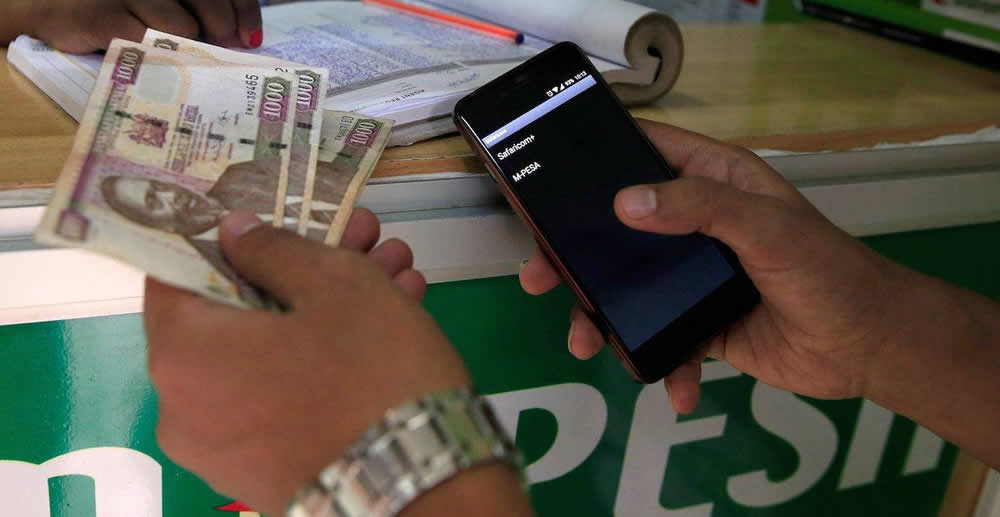
The latest financial results from MTN highlight a major shift: mobile money is no longer a secondary service. It has become a core pillar of Africa’s financial ecosystem.
In 2024, Sub-Saharan Africa surpassed 1.1 billion registered mobile money accounts, representing more than half of all such accounts worldwide. Telecom companies, once seen as outsiders in finance, now reach more customers than many traditional banks.
Mobile money platforms allow users to send payments, save money, access credit, and even buy insurance using basic mobile phones. For millions of Africans without access to formal banking, these services provide their first connection to the financial system.
As telecom operators continue to expand, they are reshaping competition in the financial sector. Banks and regulators now face growing pressure to adapt to a system driven by technology, scale, and accessibility rather than traditional branch-based banking.
A Continent at a Turning Point
Taken together, these trends show Africa at a critical turning point. Creative industries are gaining economic recognition, cities are racing to manage rapid growth, and mobile money is redefining financial access.
The challenge ahead is to ensure that policy, investment, and regulation move at the same speed as innovation. If managed well, these changes could unlock inclusive growth and long-term prosperity. If ignored, they risk deepening inequality and inefficiency.
Africa’s future will depend not just on growth, but on how well that growth is governed.