
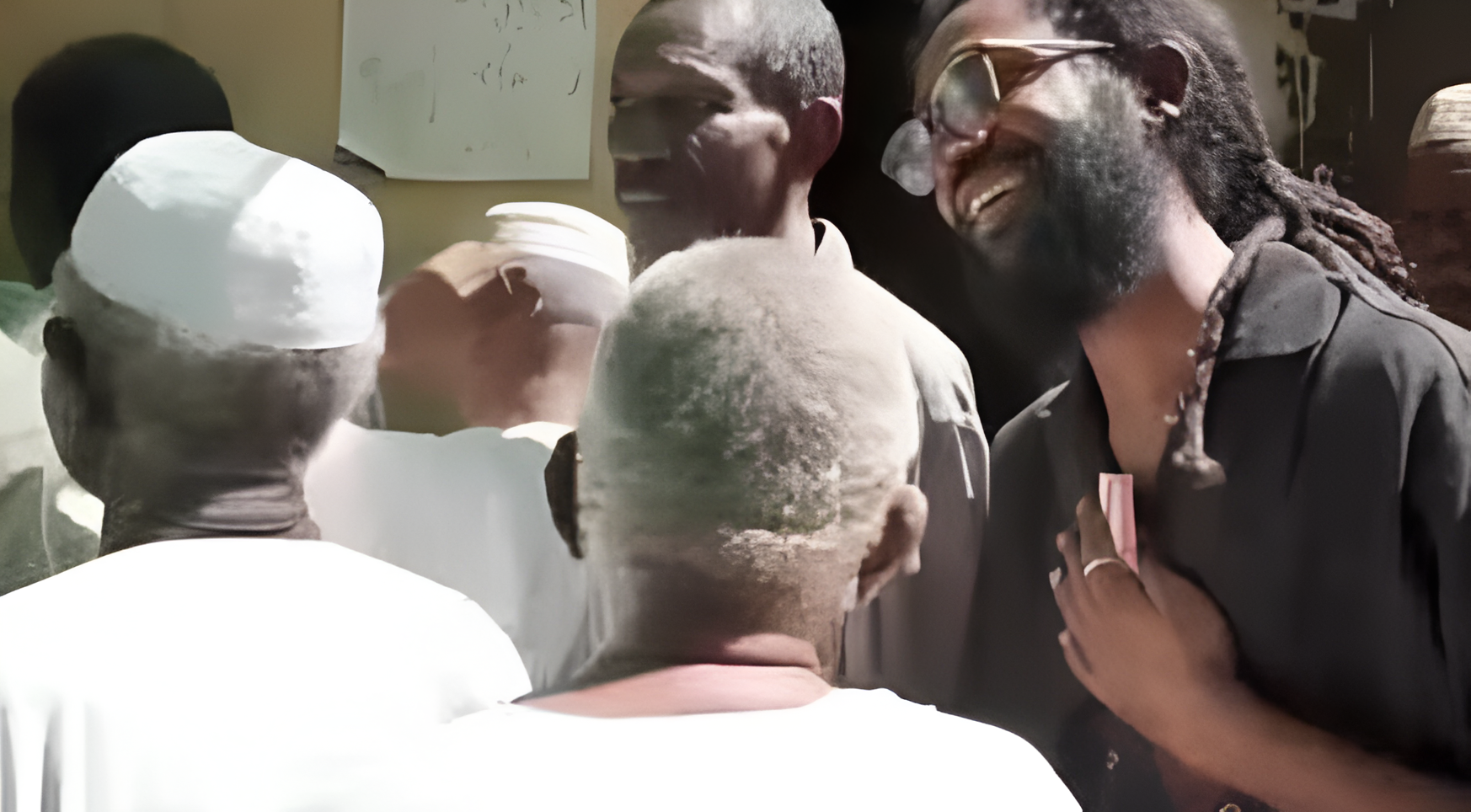
As Sudan’s devastating civil war stretches into its second year, creating what aid agencies call the world’s worst humanitarian crisis, a remarkable group of young Sudanese volunteers is choosing to stay behind and serve their communities, even as millions flee the violence.
Across shattered neighborhoods in Khartoum and beyond, these volunteers operate makeshift soup kitchens and emergency medical stations, providing a lifeline of food, medicine, and hope in a nation where 12 million people have been displaced and more than 21 million face acute hunger.
A lifeline built on courage
For many families, the rhythmic clatter of pots and pans at community kitchens marks their only guaranteed meal of the day. Lentil soup, simple but crucial, is prepared by local youth who risk their lives daily to keep their communities alive.
This work comes with immense danger. Volunteer Jihad A.-Din recalls how one of his close friends was killed by armed groups while trying to buy food for the neighborhood.
“In this area, we have lost four volunteers,” he said. “We are doing this for them.”
Despite threats, these young Sudanese remain unwavering in their mission.
Medicine for those left behind
Alongside food distribution, volunteers run small medical aid points for elderly, sick, and vulnerable residents who have been abandoned by the collapse of Sudan’s healthcare system.
With hospitals destroyed or inaccessible, these improvised clinics are often the only source of medicine for entire communities. Volunteers respond to urgent requests every few minutes, juggling everything from chronic illness support to emergency care.
Their work provides a thin but essential thread of healthcare in a nation where formal systems have largely broken down.
The decision to stay: “Who will help these people if we go?”
For many volunteers, staying behind is not just an act of bravery, it is a moral obligation.
“Because my people are in need… we have to help my brothers,” Jihad said, explaining why he chose not to flee.
Another volunteer, Momen Wad Zeinab, echoed the same sentiment:
“If we leave, if we do nothing, who will help these people? We should help these people by staying for them.”
Resilience in the face of unimaginable suffering
Amid hunger, displacement, and daily violence, the commitment of Sudan’s young volunteers offers a powerful symbol of resistance and hope. Their efforts, often invisible to the world, are keeping entire neighborhoods alive and reminding Sudan of its enduring capacity for solidarity, compassion, and strength.
As the conflict drags on with no clear end in sight, these unsung heroes remain the backbone of communities struggling to survive through one of the darkest chapters in the nation’s history.