
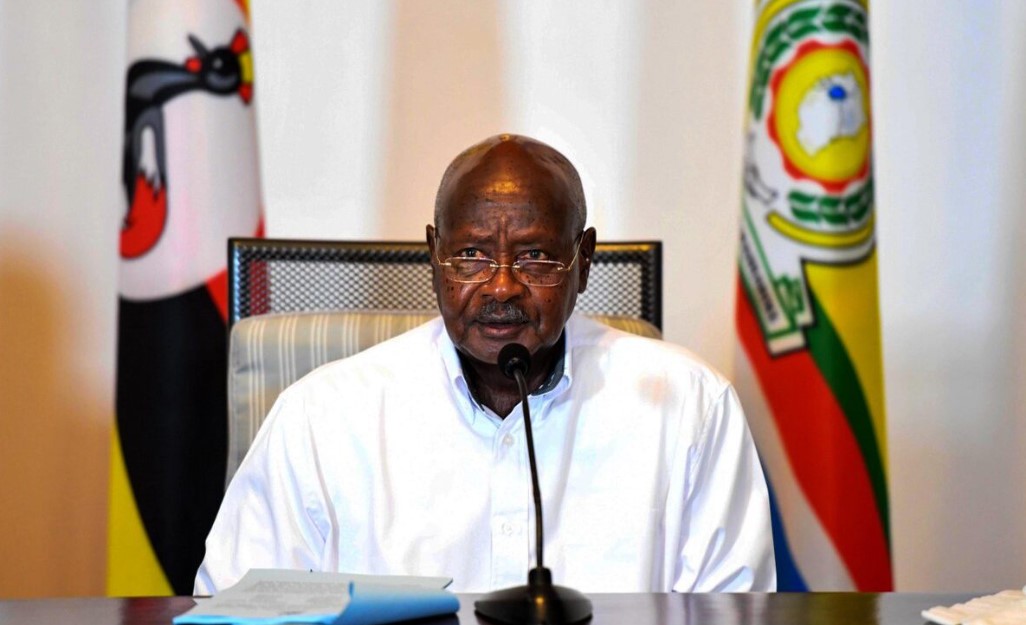
In a move that has sparked renewed debate over human rights, judicial independence, and the balance of power in Uganda, President Yoweri Museveni has signed into law a controversial bill that restores the military’s authority to try civilians. The legislation — The Uganda Peoples’ Defence Forces (Amendment) Act, 2025 — was announced by Parliament on Monday, reigniting tensions between the executive branch and the judiciary.
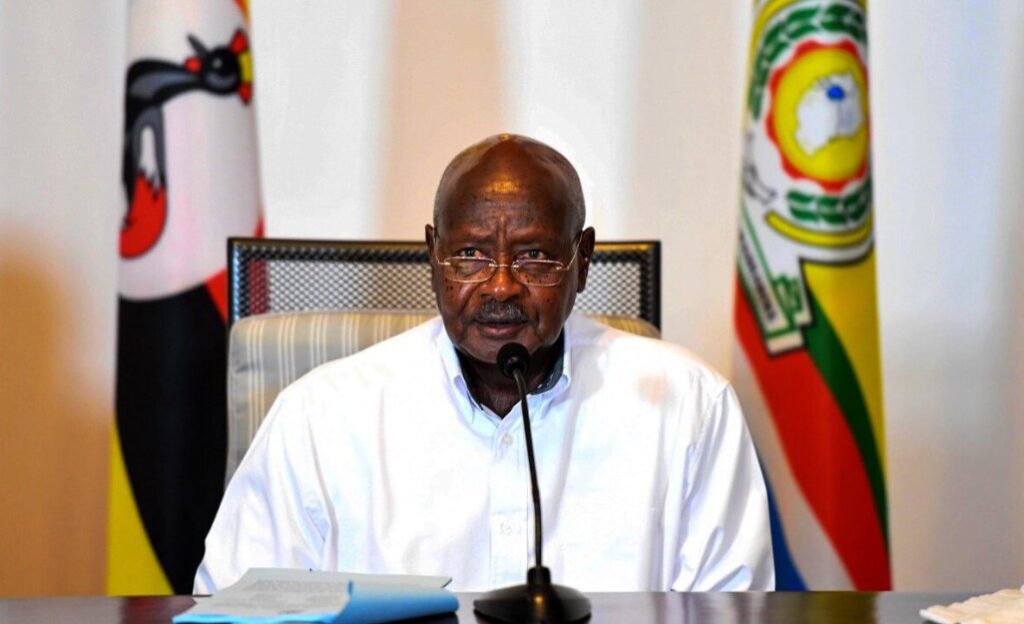
Museveni, who has ruled Uganda since 1986, approved the bill just months after the country’s Supreme Court ruled that military tribunals for civilians were unconstitutional. The court’s earlier decision was celebrated by opposition leaders, civil rights groups, and international observers as a victory for justice and civilian rule. However, the new law effectively reverses that judgment, setting the stage for another round of political and legal confrontation.
A Long-Running Controversy
The use of military courts to try civilians has long been one of the most contentious issues in Uganda’s governance. Human rights campaigners have repeatedly accused the Museveni administration of employing military tribunals as tools of intimidation against political opponents, journalists, and activists.
Under previous laws, hundreds of civilians — including prominent opposition figures — were tried in military courts, often behind closed doors and without access to fair legal representation.
Among the most notable cases was that of Dr. Kizza Besigye, a former presidential contender and one of Museveni’s fiercest critics. Besigye was once charged before a military tribunal on accusations including treason, until the Supreme Court’s 2025 ruling ordered his case transferred to a civilian court.
Opposition leaders and rights groups had hoped that verdict would permanently end what they describe as “political militarisation of justice.” Instead, the new amendment law has reintroduced the same system, albeit under redefined legal justifications.
Government’s Defence
Following the passage of the new bill, government officials and army representatives defended the measure, saying it is designed to strengthen national security and ensure accountability for those using weapons for political or criminal violence.
An army spokesperson praised the law, claiming it would “deter the formation of militant political groups that seek to subvert democratic processes.”
Museveni’s aides have also dismissed claims that the legislation targets opposition voices. They argue that Uganda faces real threats from armed groups and that the military must retain jurisdiction over civilians who engage in acts involving firearms or insurgency-related offences.
However, critics say such language is vague and open to abuse — allowing the state to classify peaceful political activity as subversive.
Judicial Clash and Political Implications
The reintroduction of military trials for civilians directly contradicts the Supreme Court’s earlier ruling, which called the practice unconstitutional and a violation of the right to a fair trial. Legal experts now predict that another constitutional challenge is inevitable.
If citizens or civil society organisations petition the courts, Uganda’s judiciary will again be forced to decide whether it can assert its authority against an increasingly assertive executive.
This development also comes at a politically charged moment. Pop star-turned-opposition leader Bobi Wine, who leads the National Unity Platform (NUP), has already announced plans to challenge Museveni in the 2026 presidential election. Wine himself was previously detained and charged in a military tribunal for alleged illegal possession of firearms — charges that were later dropped after public outrage.
Opposition parties now warn that the reinstatement of military trials could be used to silence dissent ahead of the election. “This is not about justice,” one opposition MP remarked. “It’s about fear and control. They are preparing to intimidate anyone who dares to challenge the regime.”
A Deepening Divide
Museveni, 80, remains one of Africa’s longest-serving leaders, having maintained power through a mix of political strategy, economic programs, and strong security control. Yet, critics argue that his recent decisions reflect growing authoritarian tendencies rather than democratic consolidation.
Analysts say the new law reflects broader struggles across East Africa, where governments often justify restrictive laws in the name of national security. Similar concerns have been raised in neighbouring countries where military involvement in civilian governance is on the rise.
For many Ugandans, however, the issue is deeply personal. Families of those previously tried by military courts recall years of detention without fair trial or access to civilian justice. Civil society organisations are now rallying to challenge the amendment, calling it a betrayal of the constitution and the rule of law.
What Lies Ahead
As the law takes effect, Uganda’s political climate is expected to grow even more tense. The opposition is likely to mobilise both domestic and international support to pressure the government to reverse the legislation. Meanwhile, human rights observers warn that the move could trigger new rounds of arrests and trials of activists in the months leading up to the 2026 vote.
Whether Uganda’s judiciary will once again confront the executive — and whether that confrontation will hold in practice — remains to be seen.
For now, the country finds itself at a crossroads between constitutional democracy and a militarised system of justice that critics fear could undermine Uganda’s fragile civil liberties for years to come.