
Morocco will once again take centre stage in African football as it hosts the 14th edition of the Women’s Africa Cup of Nations in 2026. The tournament will bring together 16 of the continent’s best women’s national teams, all competing for Africa’s most prestigious women’s football trophy.
As hosts, Morocco automatically qualify and headline Group A, where they will face Kenya, Senegal, and Algeria. With home support and recent strong performances, expectations are high that Morocco can finally go one step further and win the title on home soil.
The tournament also features defending champions Nigeria, whose Super Falcons remain the most successful team in the history of the competition. Their presence ensures the 2026 edition will be highly competitive and closely followed across the continent.
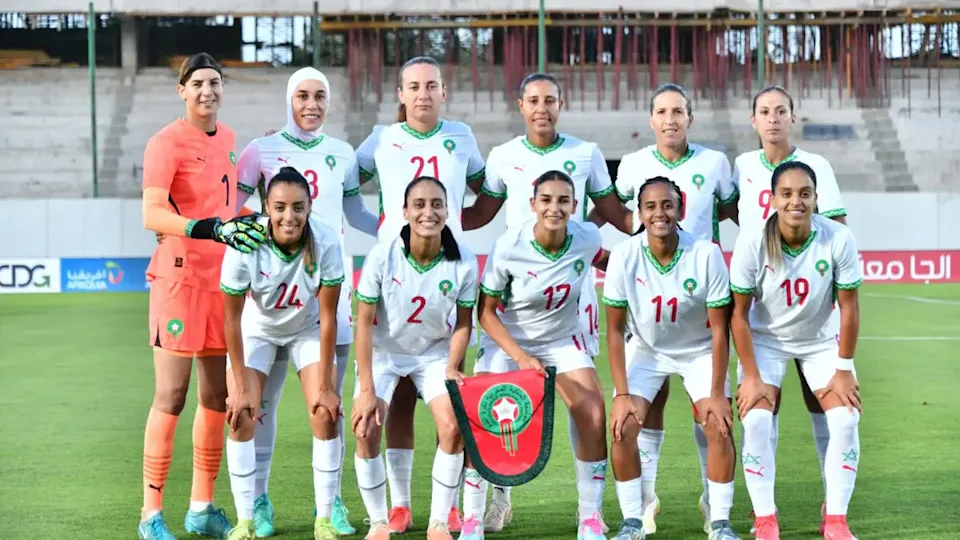
Morocco’s Journey at the Women’s AFCON
The Moroccan women’s national team, popularly known as the Lionesses of Atlas, will be making their fifth appearance at the Women’s Africa Cup of Nations finals. Their previous participations came in 1998, 2000, 2022, and 2024.
For many years, Morocco struggled to make a major impact on the continental stage. However, that narrative has changed dramatically in recent editions. The team reached the final in both 2022 and 2024, marking a historic rise in performance and consistency.
In 2022, Morocco finished runners-up after a narrow 2–1 defeat to South Africa in the final. Two years later, they again reached the final, this time losing a thrilling 3–2 contest to Nigeria. Despite the heartbreak, those back-to-back final appearances confirmed Morocco as one of Africa’s leading women’s football nations.
Home Advantage and Rising Expectations
Hosting the tournament gives Morocco a significant advantage, both in terms of familiar conditions and passionate home support. In 2022, the atmosphere created by Moroccan fans played a major role in pushing the team to the final.
The Moroccan Football Federation has invested heavily in women’s football over the past decade, improving infrastructure, coaching, and youth development. These efforts are now bearing fruit, as more Moroccan players compete at top clubs in Europe and gain valuable international experience.
With two recent final appearances and the backing of a home crowd, Morocco enters the 2026 tournament not just as hosts, but as serious title contenders.
Coaching and Tactical Approach
Morocco is coached by Spaniard Jorge Vilda Rodríguez, who brings European tactical experience and a structured playing philosophy. Under his guidance, Morocco has become more disciplined defensively while remaining creative and dangerous in attack.
Vilda is known for emphasising ball control, quick transitions, and intelligent positioning. His approach has helped Morocco compete effectively against traditional African powerhouses and adapt to different styles of play.
Although the final squad for AFCON 2026 has not yet been announced, the core of the team is expected to come from players who featured in the previous edition.
Likely Squad: Goalkeepers
Based on recent tournaments, Morocco’s goalkeeping department is expected to remain strong and competitive. The following players featured in the last Women’s AFCON and are likely to be considered again:
Khadija Er-Rmichi of AS FAR brings experience and leadership. Ines Arouaissa, who plays for Saint-Malo in France, adds European exposure. Fatima Ezzahra El Jabraoui from Wydad AC and Hind Hasnaoui of AS FAR provide depth and competition for the starting role.
Strong goalkeeping has been a key part of Morocco’s success in recent years, particularly in high-pressure knockout matches.
Defensive Strength and Organisation
Morocco’s defence has developed into one of the most organised units in African women’s football. Players such as Hanae Aït Elhaj and Yasmine Katie, both based at Valencia CF in Spain, bring tactical awareness and composure.
AS FAR remains a major supplier of defensive talent, including Zineb Redouani, Aziza Rabbah, Nouhaila Benzina, and Siham Boukhami. Sabah Seghir of FC Basel adds experience from the Swiss league, while Soumia Hady of Wydad AC offers versatility.
This defensive depth allows Morocco to rotate players without losing structure, an important factor in a long tournament.
Midfield Creativity and Control
The midfield is the heartbeat of the Moroccan team, combining creativity, energy, and tactical intelligence. Captain Ghizlane Chebbak, currently playing for FC Levante Badalona in Spain, remains the standout figure. Her leadership, vision, and goal-scoring ability from midfield make her one of Africa’s most influential players.
She is supported by Najat Badri of AS FAR, Élodie Nahla Nakkach and Imène El Ghazouani from Servette Chênois in Switzerland, and Anissa Lahmari of Levante UD. Young talents such as Sarah Kassi and Sanaa Mssoudy add balance and energy.
This mix of experience and youth gives Morocco flexibility to control games and adapt to different opponents.
Attacking Options and Goal Threat
Morocco’s attacking line has improved significantly in recent years, with several players featuring in top European leagues. Fatima Tagnaout of Sevilla FC and Sakina Ouzraoui Diki of Costa Adeje Tenerife offer pace and creativity on the wings.
Ibtissam Jraïdi, who plays for Al Ahli FC in Saudi Arabia, provides physical presence and finishing ability in the box. Imane Saoud of FC Nantes and Kenza Chapelle of RC Strasbourg add further attacking depth, while Rania Boutiebi brings versatility from the Belgian league.
With multiple goal threats across the front line, Morocco is capable of breaking down both defensive and attacking opponents.
Group A Fixtures and Key Challenges
In Group A, Morocco faces a mix of styles and challenges. Kenya brings pace and physicality, Senegal offers athleticism and direct play, while Algeria provides technical ability and regional rivalry.
Navigating the group stage will require focus and consistency, as no opponent can be underestimated. However, Morocco’s experience from recent tournaments should help them manage pressure and expectations.
Finishing top of the group would give the hosts a more favourable path in the knockout stages, increasing their chances of another deep run.
Final Outlook
Morocco enters the 2026 Women’s AFCON with confidence, experience, and ambition. After finishing runners-up twice, the goal is clear: to finally lift the trophy in front of their home fans.
With a strong squad base, an experienced coach, and continued investment in women’s football, Morocco has all the tools needed to challenge for the title. Whether this will be the year they complete their rise remains to be seen, but one thing is certain the Lionesses of Atlas will be one of the teams to watch closely at AFCON 2026.